Steve Harding’s proposal for a…
Wirral Viking Heritage Trail
|
… experience Wirral’s wonderful Viking Heritage –
including some of its superbly preserved stonework - and some of the beautiful
scenery as you tour around our peninsula in NW
N.B. Some
of these sites are currently accessible, some are not – please see the notes
below.
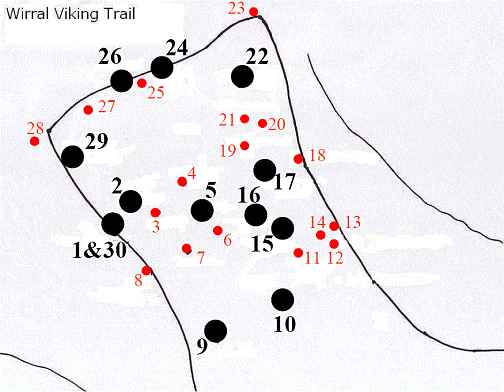
·
Large
Black circles: major sites
·
Small
brown circles – “enthusiast” sites.
Wirral
is steeped in Viking tradition and in common with neighbouring
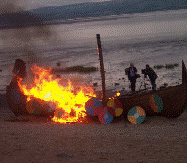
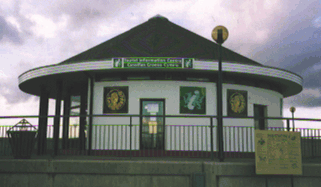
1. START: Visitor centre
at Thurstaston – site of the Viking Thorsteinn’s farmstead and the scene of (occasional!) boat
burning at Thurstaston beach. Refreshments in the Centre and at TJ’s café
close by. Car Park, toilets.
2. Thurstaston Common – highest
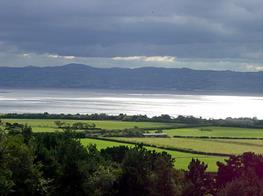
point on Wirral with splendid views. A
10 minute walk from the car park across the common and into a hollow takes you
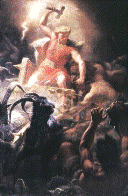
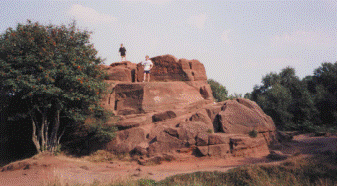
to an impressive large outcrop of sandstone called Thor’s Stone. A legend in Wirral – which cannot be traced
back further than the Victorians – claims that this is from mjöllnir – Thor’s hammer. It is the site of Viking style marriages –
attracting enthusiasts from around the country - and for May 1st
celebrations. Pub next to the car park.
3.
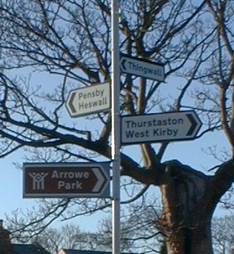
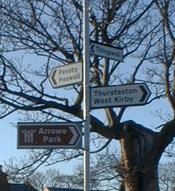
Irby: famous signpost with all the Viking names and nearby is Heskeths field (which derives from hestaskeið = horse race track)
and where according to the name the Vikings used to race horses. View from
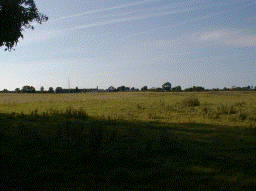
4.
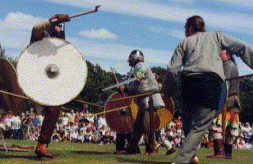
5.
Thingwall (old Old Norse þing-volr = assembly field) – where Wirral’s own Norse
assembly or parliament was held.
Although we are not sure where this was many scholars believe the site
of the Thing was Cross Hill (just off the A551 opposite the reservoir): its
elevated position, in common with sites in
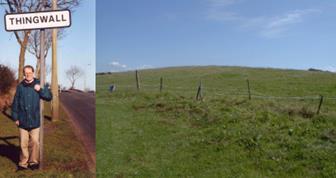
6.
Barnston Gill –
in the beautiful Thingwall woods. You can park along
7.
Refreshments: Heswall Slack: pub with
a Viking name (slakki – a cut through).
8.
The
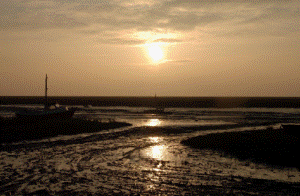
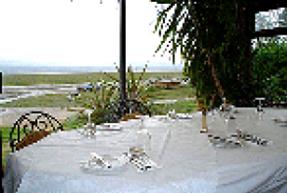
9.
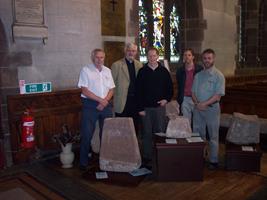
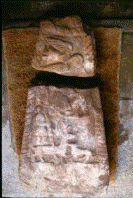
10. Raby Mere. Boundary of the orginal
Norse settlement. Beautiful lake setting – enjoy a cream tea and cross the famous and ancient
stolpi stepping stones over the River Dibbin. Car parking
on road. No toilets, but Wheatsheaf pub
not far away.
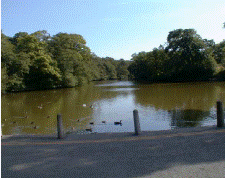
11.
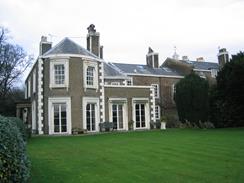
Poulton Hall*
and Raby. Raby and Raby Mere is the
south-east boundary of the original Norse settlements (Raby means “boundary
settlement”). Poulton
Hall is close to Bebington Heath, candidate site for
the Battle of Brunanburh. The site owned by the Lancelyn-Green
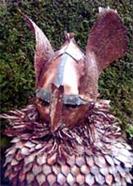
family who have lived there since 1093. It is also home of Sue Sharples splendid “Brunanburgh
Viking” sculpture, unveiled in April 2004.
The gardens are open twice a year
– email us for further information.
12.
Viking Cross – St. Barnabas Church. Norse ring headed cross
reconstructed in 1957 just outside the church entrance. Parking in road.
13.
Bromborough Court
House site (moated site off
14.
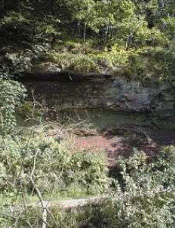
Dibbinsdale: Viking
“klints” at
15. Bebington Heath (edge of golf
course or Grammar School grounds), favoured site by the experts (or at least
myself) for the Battle of Brunanburh (the old name
for Bromborough is Brunanburh). Parking on the road (
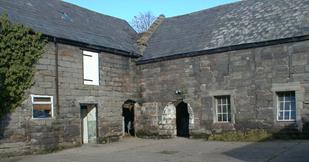
16. Storeton Hall/Storeton Woods. Storeton “the great farmstead” & home of Sir John
Stanley both Hall and
17.
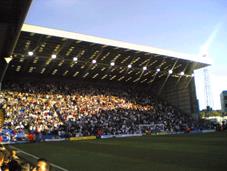
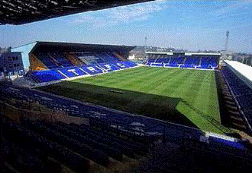
Tranmere Rovers (Football Ground) - particularly match days. Tranmere
– Tranmael “cranebird
sandbank” is unique in being the only football team in the English league with
a Norwegian Viking name. Come along and
cheer the Norse cranebirds favourite team! Many Scandinavians come over to watch Tranmere when they play on Friday nights and then watch Man
Utd, Everton or
18.
Tranmere river
front = where the Norsemen saw those cranebirds
–Parking and toilets at the ferry terminal at nearby Woodside. Splendid views across the
19.
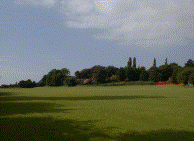
Arno Hill : site of pagan burial mound
of Arni (or Erni). Parking on the roadside. Part of the hill now has houses on it.
20.
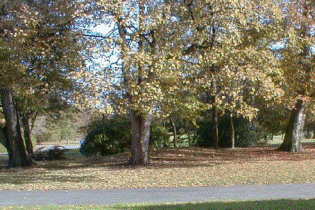
Ufaldi’s Green
just down the hill from Claughton (klakkr-tun –
farmstead on a hillock). Part of the
beautiful
21.
Bidston:
mini-hogback Viking tombstone was found here in 2004. Currently
not available for display to the public but plans are afoot to have it
displayed at nearby Bidston Observatory.
22.
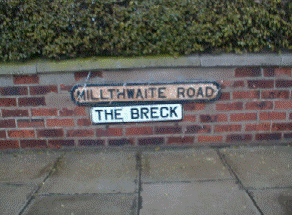
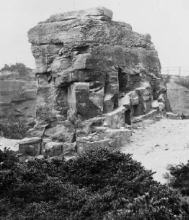
Wallasey
brekka – “slope on a hillside” and klint “projecting rock” (now called the Granny rock, off
23.
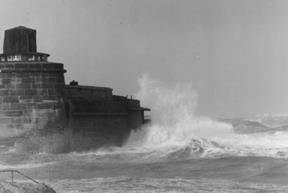
Enjoy the thrills of the Estuary waves crashing against Svartskere – the black rocks (upon which Fort Perch
Rock has been built). Lots of parking on
the sea front and café’s nearby. Toilets
also near.
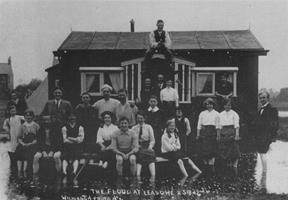
24. Lingham “lyng-holm”
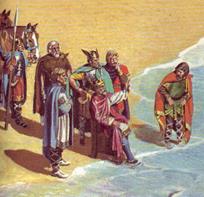
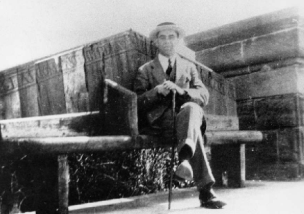
lighthouse & seafront. Nearby at Leasowe castle was the so-called Canute chair built in the earlier part of the 19th century by the Cust family. Perhaps
based on an old tradition that Canute could help do something about keeping the
constant floods at bay but there is no record of this tradition before the
Victorians. The lighthouse is open to
visitors and refreshments/toilets available.
25.
Refreshments at the Railway Inn, Meols
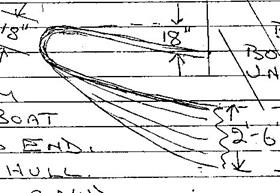
– 2-3 metres under the car park lies an ancient medieval clinker (overlapping
wooden planks) vessel. Date of vessel
unknown. Discovered in 1938 by workmen and then covered up. With the help of the police Ground
Penetrating Radar measurements in 2007 confirmed the existence of a boat at
least 10 metres long.
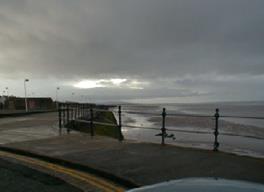
26. Meols: the old Viking
sea-port Melr.
Parking along the sea front. Toilets at Dove Point.
27.
Refreshments at a Viking café/wine bar - The Wro
(old Norse vra – “corner”)
at
28.
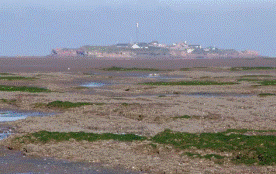
Tonn-skere: tooth skerry
rocks, just out from the
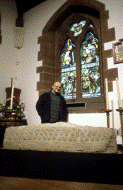
29. West Kirby: St. Bridgets & the famous hogback tombstone, beautifully
restored by the National Conservation Centre,
30. Return to the Thorstein’s Thurstaston Visitor
Centre.
VIEW THIS POWERPOINT SHOW OF THE TRAIL
(presented
to the Irby, Thurstaston and Pensby
Amenity Society, 4th June 2008)
See also VIKING MERSEY: Scandinavian Wirral, West Lancashire and
Chester. (Stephen
Harding), paperback, 240 pages, Countyvise Ltd, INGIMUND’s SAGA: Norwegian Wirral (Stephen
Harding, with Foreword by Magnus Magnusson), and WIRRAL AND ITS VIKING HERITAGE (Paul Cavill,
Stephen Harding and Judith Jesch).
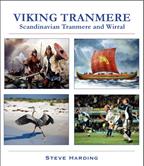
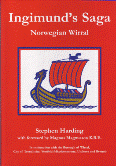
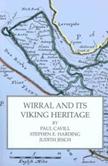
Enquiries/comments: Steve Harding.
We are hoping the sites will be
appropriately signposted soon and to enhance these we are also hoping we can
raise sufficient money (~£30,000) for a statue of Wirral’s
first Norse leader Ingimund either at Meols or
If you wish to donate to either
the statue or the Centre please follow the instructions below.
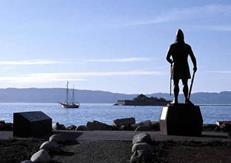
Please visit the Wirral and West Lancashire Viking Anniversary Home Page
If you wish to make a donation
to the Statue/Centre fund:
1.
Make
a cheque payable to “Olsok Ingimund
Project” and send to Professor Stephen Harding,
2.
Pay
directly: Bank name: NatWest, Branch: Nottingham University Branch. Bank Number 60 15 49, Account: Olsok Ingimund Project, Account number
43 00 54 03. For overseas transactions:
BIC Code: NWBK GB 2L; IBAN Code: GB68 NWBK 6015 4943 0054 03.
All donations, however small, gratefully appreciated!