

2. Social and emotional problems
Click on the squares below to reveal information about social and emotional problems that affect children.
Social skills:
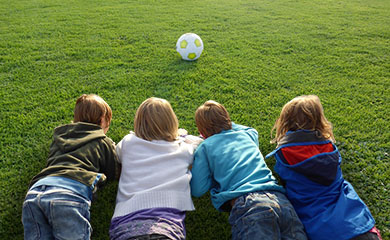
Children who are born preterm are also more likely to have difficulties with social skills than children born at term. These include difficulties interacting with other children, making and maintaining friendships, working together in groups and communicating with peers.
Children with poor social skills may also be shy or withdrawn in social situations and might prefer the company of adults over children.
Children with attention problems often find it harder to make friends and interact with other children. These kinds of difficulties may lead to children becoming isolated at school.
Emotions:
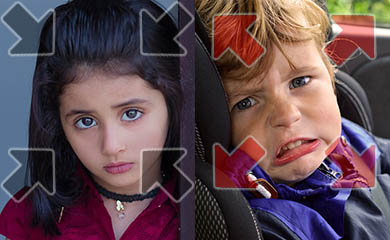
Internalising problems is the name given to a group of emotional problems in which children direct their feelings and emotions inwards, towards themselves, rather than outwards towards others. This includes being withdrawn, shy and awkward; clingy in new situations; nervous, anxious, worried or fearful; feeling sad, lonely or depressed.
Signs of internalising problems may also include frequently complaining of illnesses such as headaches, stomach aches or sickness.
Children born preterm are more likely to have these internalising problems than children born at term.
Externalising problems is the name given to a group of contrasting emotional problems in which children direct their feelings and emotions outwardly, towards others.
Children with externalising problems tend to be uncooperative with others, and display defiant, aggressive and disruptive behaviours.
Children born preterm are less likely to have externalising problems than children born at term.
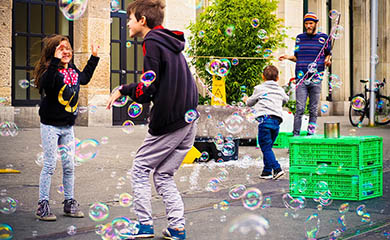
Autism:
As a group, children who are born preterm are at higher risk for autism than children who were born at term.
Children with autism have significant difficulties communicating with others, interacting with peers and may be inflexible in their routines and interests. However, autism is quite rare; it affects about 1% of children born at term and up to 4% of children born preterm.
Most children born preterm will not have a diagnosis of autism but may nonetheless have difficulties with social skills that make it harder for them to interact with others and form friendships in school.
Bullying:
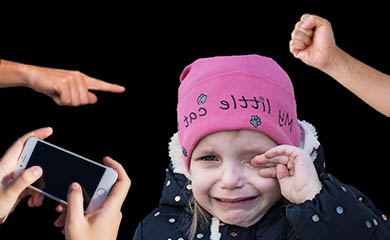
Research has also shown that children who are born very preterm are more likely to be bullied than other children. Being bullied and having problems making friends can have a negative impact on a child’s health and well-being and can lead to mental health problems later in life.
