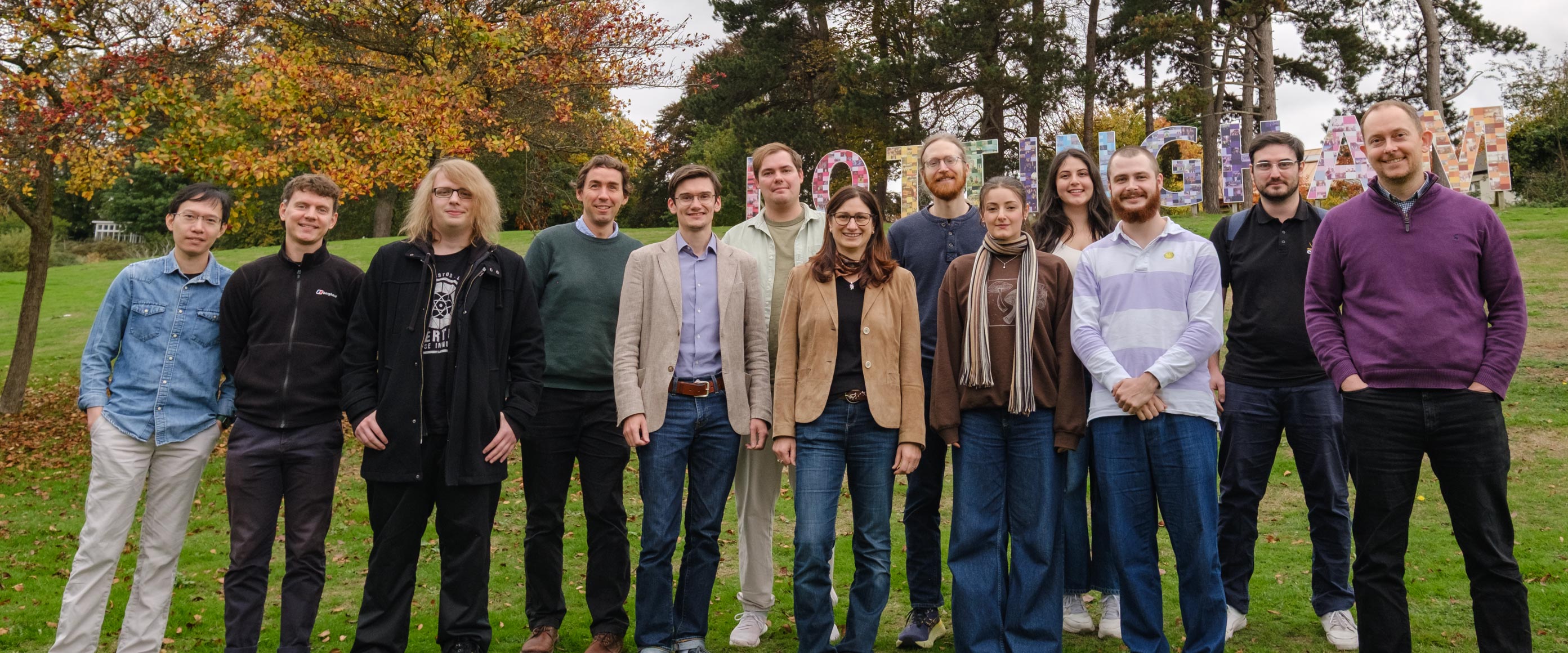
Click on a name for further information and contact details. The root of the email addresses is "@nottingham.ac.uk"

Nina researches the formation of galaxies and clusters of galaxies in the distant Universe and the intracluster light that resides within clusters.
Yannick works on understanding how galaxies evolve in clusters. He is particularly interested in finding out why so many cluster galaxies have stopped forming new stars, and what causes some of their stars to end up in the ICL. To answer these questions, he uses both cutting-edge numerical simulations and observations with some of the world’s biggest telescopes.
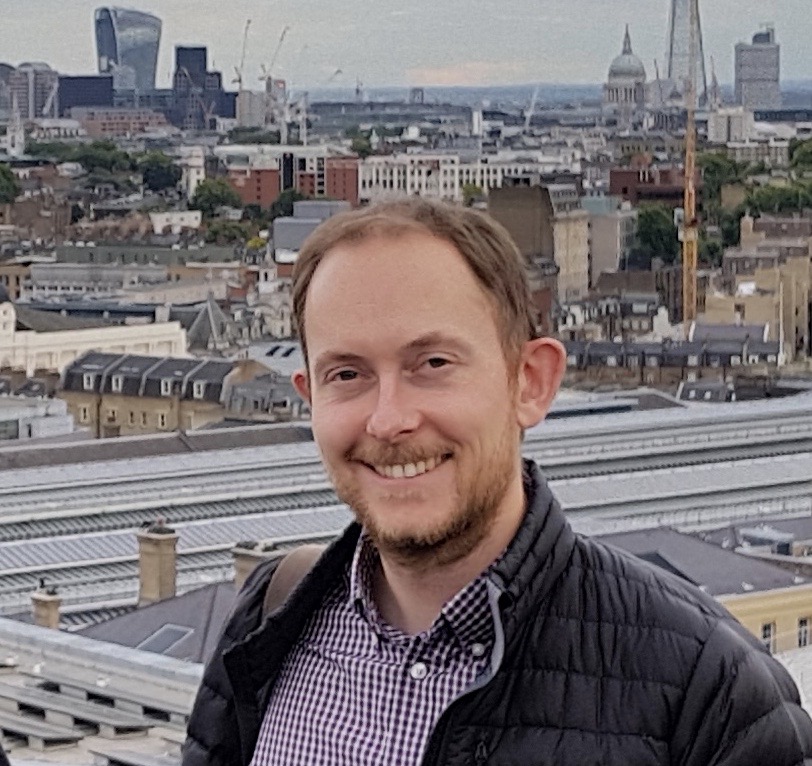
Steven is primarily interested in the links between the morphology, star-formation and assembly histories of galaxies, and particularly the competition between internal and environmental processes in producing the present-day galaxy population. He studies galaxy morphologies in large surveys both visually, via the Galaxy Zoo project, and quantitatively, by developing novel techniques to decompose galaxy structures.
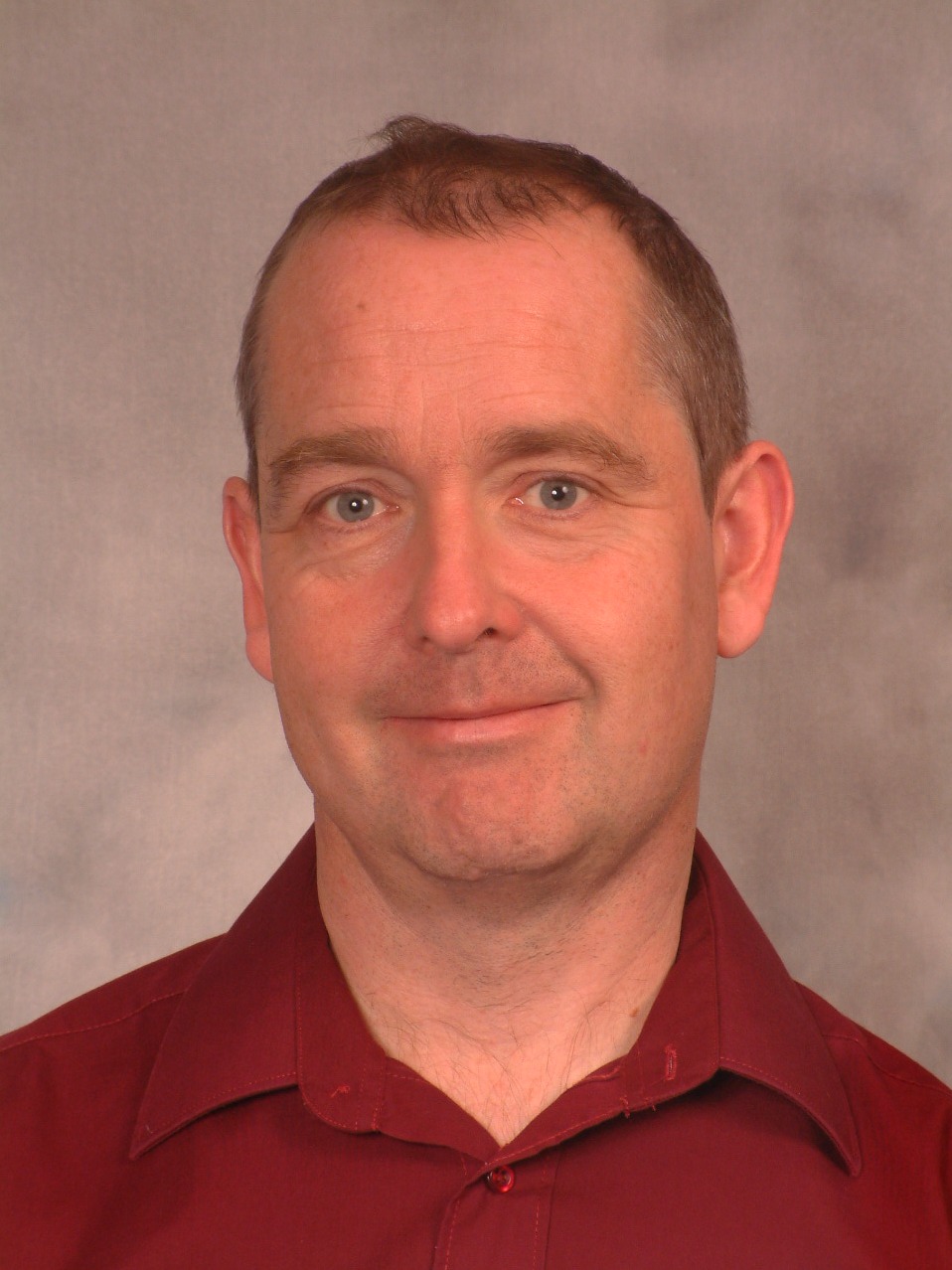
Frazer specialises in the theory of the formation of structure in the Universe. In particular he models the evolution of clusters of galaxies using some of the worlds largest parallel supercomputers. He also has interests in X-ray emission from clusters and the feedback of energy due to supernovae explosions. For further details see: Astrophysical simulation at Nottingham.
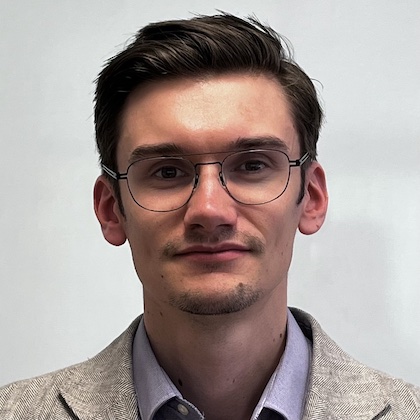
Callum works on the evolution of galaxies within clusters, and is currently exploring the use of the Euclid space telescope to map intracluster light. Callum also work on jellyfish galaxies and the spectacular ram-pressure stripping interactions experienced by galaxies infalling into clusters, exploring the varied effects on their morphologies, composition and kinematics.
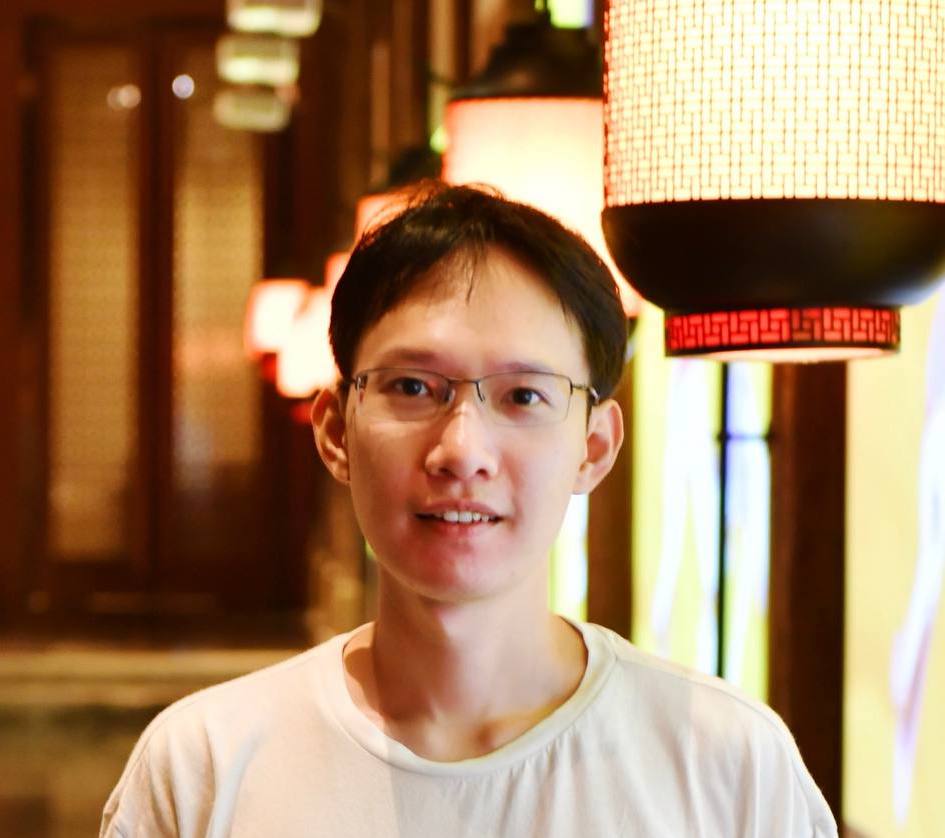
Hua’s past research centered on the origin of galactic bulges, the formation of massive ellipticals, and the secular evolution of disk galaxies. He was involved in the development of the Pan-STARRS Image Processing Pipeline with a focus on improving image detrending of the Gigapixel Camera 1. Hua is working with the NottICL group to optimize postprocessing of Euclid images for low-surface-brightness science and to obtain robust measurements of intracluster light.
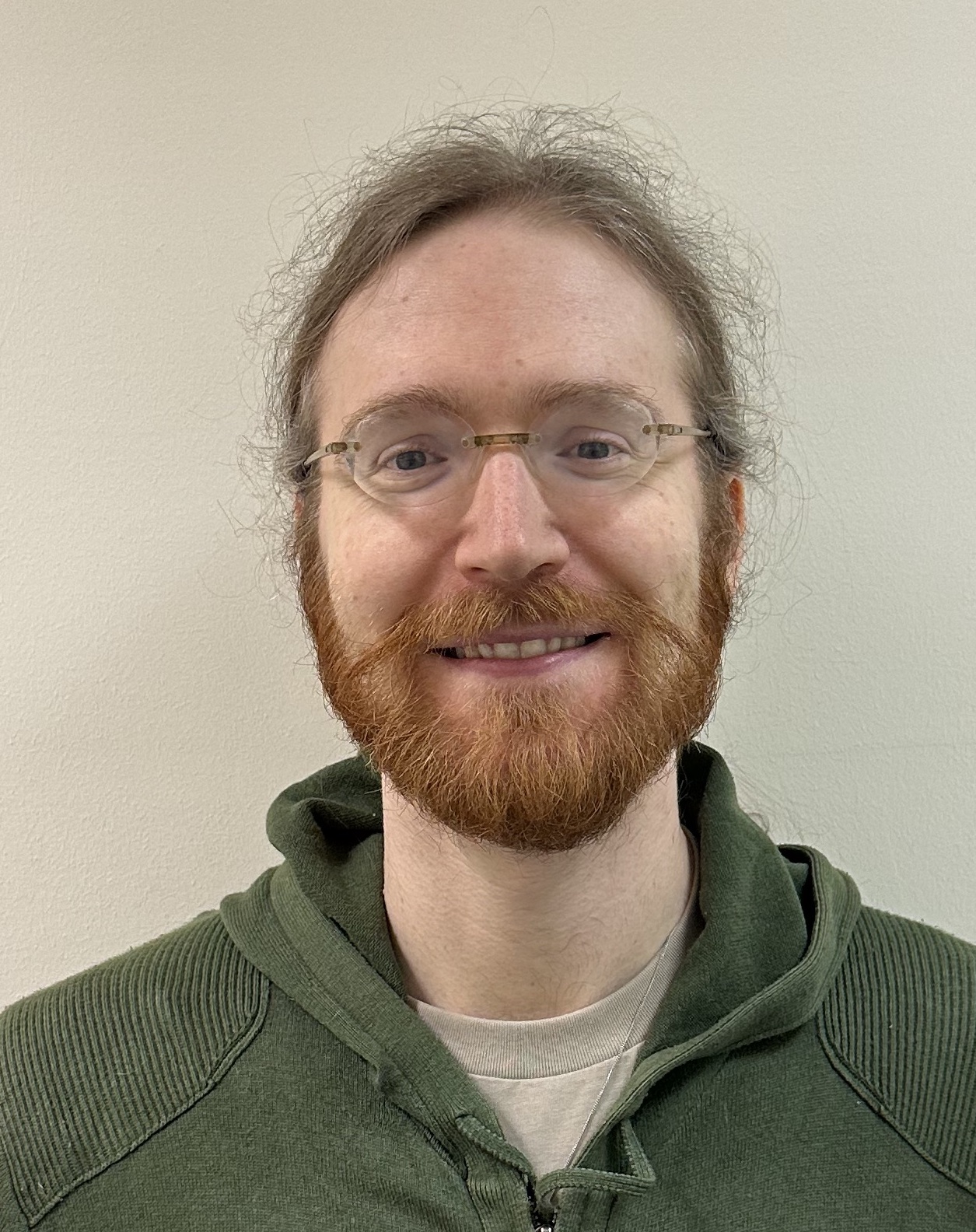
Jesse works on projects with the goals of understanding the formation and evolution of the most massive galaxies in the universe and the underlying connection to their dark matter halos. To do this, Jesse takes advantage of all available stellar information, in particular the diffuse intracluster light and then uses this data along with Bayesian statistical methods. Currently, the primary focus of Jesse's research is using Euclid observations to understand the formation and evolution of the intracluster light and what it can tell us about galaxy evolution and the cluster's dark matter halo.
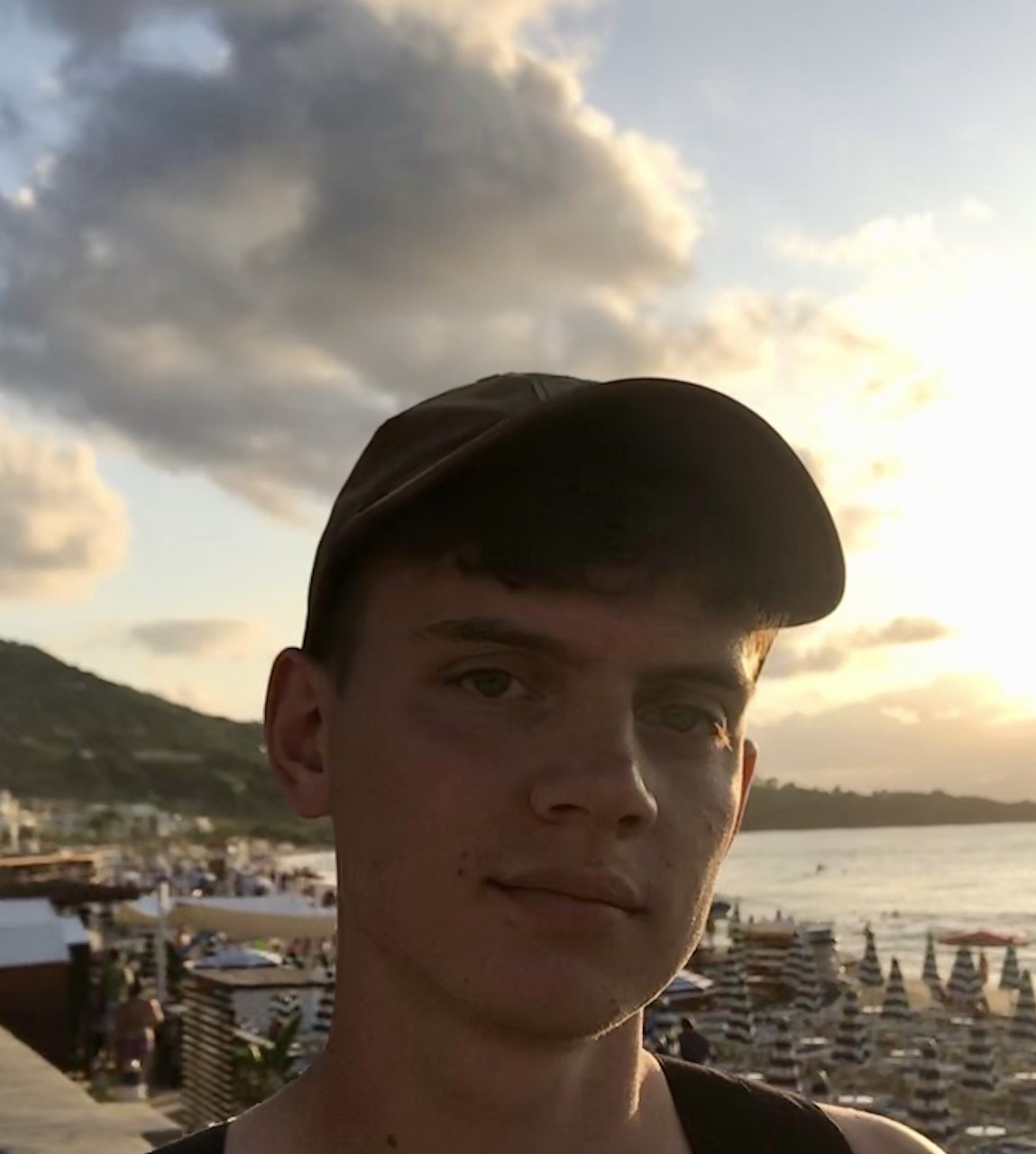
Harry's research focuses on the formation and evolution of galaxy clusters and their constituents. This includes the study of protoclusters and high-redshift clusters, the influence of dense environments on their member galaxies, and the build-up of the intracluster light (ICL) that permeates these massive systems. During his PhD, Harry investigated the effects of large-scale structure on galaxy evolution, and as a postdoc, his work now centres on tracing the evolution of the ICL across cosmic time.
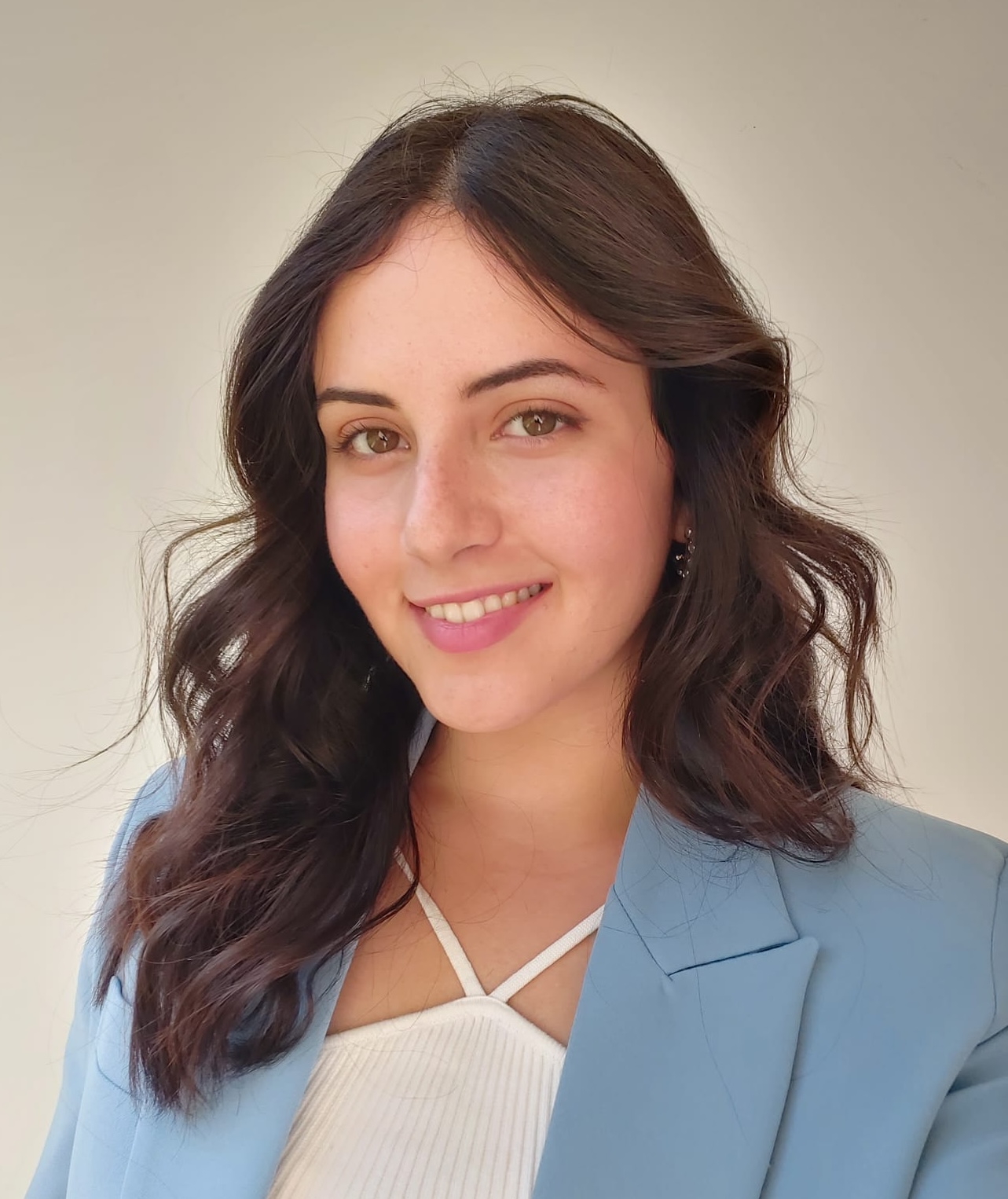
Tutku is interested in the formation and evolution of galaxies and galaxy clusters in the Universe. Her current focus is on measuring the shape of the ICL using cutting-edge Euclid observations, comparing the shapes of ICL and dark matter, and exploring their connections to merger histories and the dynamical states of clusters. She is also interested in the gas kinematics and dynamics of local galaxies, particularly in understanding mechanisms like extended shocks that drive gas inflows, which feed galactic nuclei and trigger mechanisms such as AGN feedback and star formation.
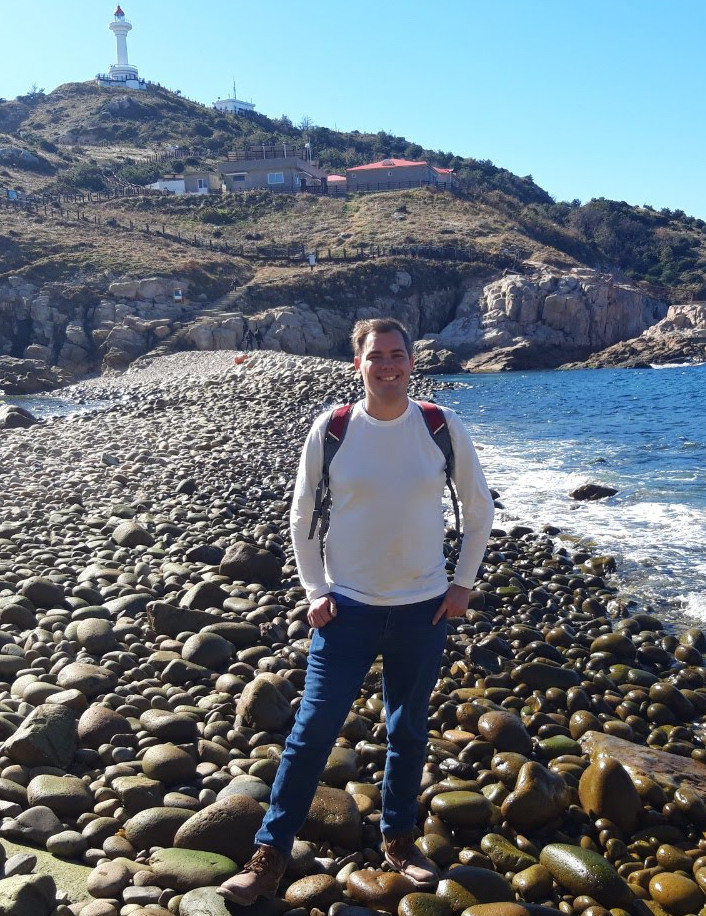
Garreth's research interests lie in both observational and theoretical extragalactic astronomy, including hydrodynamical simulations, large surveys and machine-learning techniques. Garreth is interested in galaxy morphology, galaxy-black hole co-evolution and low-surface-brightness science including galaxy tidal features and intracluster light. Garreth chairs the morphology working group within the LSST Galaxies Science Collaboration and is involved in developing efficient and robust techniques for automated classification of galaxies and the production realistic synthetic observations for various upcoming instruments.
Mathias works on low surface brightness (LSB) structures and objects in the Local Universe, ranging from dwarf galaxies to tidal features and intra-cluster light (ICL). His interests include image processing techniques to preserve the faint outskirts of nearby galaxies, as well as the study of globular cluster populations in LSB systems. He is currently analysing ICL detected by the Euclid space telescope to help answer questions about galaxy mass assembly and to investigate the distribution of dark matter in galaxy clusters.