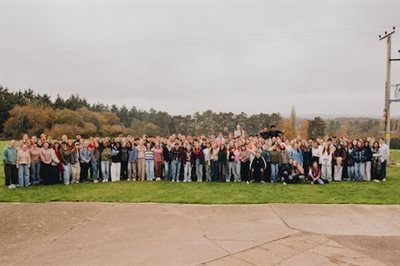
Christian union
By Leena Ravindra, second year BSc Pharmacology
University life is often seen as a balancing act between lectures, deadlines, and socialising. But beyond academics, there’s a powerful — and often underestimated — source of career development right on your doorstep: societies and volunteering. Whether you’re organising events, mentoring others, or simply showing up consistently, these experiences quietly shape the skills employers value most.
When I first started university, I thought career development mainly happened through internships, careers appointments, or summer jobs. What I didn’t expect was how much my experiences outside lectures would shape me — not just professionally, but personally too.
More than just a hobby
Joining societies initially helped me settle into university life and meet people from different backgrounds. As an international student, this was especially important. Over time, being involved in societies like the Christian Union and First Aid Soc became more than just attending meetings. I found myself helping to organise events, support others, and contribute ideas.
Through these experiences, I developed skills in clear communication, teamwork with people from diverse backgrounds, and time management alongside academic deadlines. Even small responsibilities — turning up consistently, helping behind the scenes, or supporting events — taught me reliability and confidence. These may seem minor, but they are exactly the qualities employers look for.
Volunteering: Employability with purpose
Volunteering has been one of the most meaningful parts of my university experience. From supporting charities like the British Heart Foundation to working with international students and taking part in wellbeing-focused initiatives, I’ve learnt how powerful giving your time can be — both for others and for yourself.
Volunteering taught me empathy, adaptability, and how to take responsibility in real-life situations. Supporting people who are adjusting to a new environment, or working with organisations that serve the wider community, helped me understand the importance of patience, professionalism, and clear communication. These experiences pushed me outside my comfort zone and helped me grow in ways a classroom never could.
When I started writing CVs and applications, I realised just how valuable these experiences were. They gave me real examples to talk about in interviews — not just theoretical skills.
Standing out in a competitive job market
Many students graduate with similar degrees. What often sets you apart is how you’ve used your time at university. Societies and volunteering demonstrate initiative, commitment, and a willingness to engage with the wider community.
Instead of simply saying, “I have good leadership skills,” I can now talk about real moments when things didn’t go to plan, how I adapted, and what I learned. These experiences have given me confidence in interviews and clarity about the kind of professional I want to become.
Find out more about such experiences:
If you want help articulating your experience of volunteering on your CV or applications, book an appointment with our team. Find out more about creating impactful applications.
Posted on Wednesday 28th January 2026