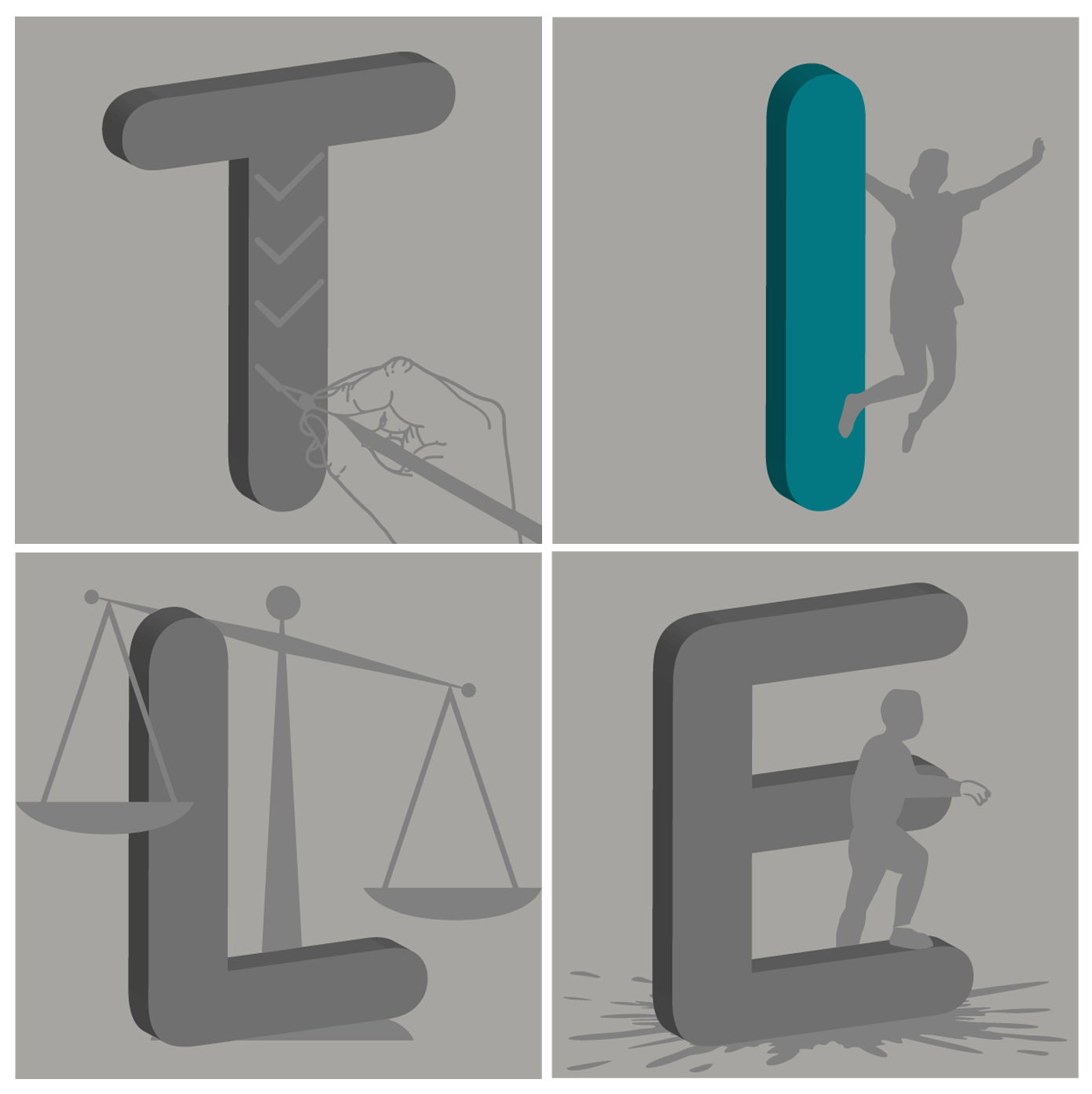
3. Keeping yourself safe
One of the biggest risk industries is healthcare. Musculo-Skeletal Disorders (MSD) are a daily risk in our sector, and we must take steps to minimise risk of injury by acting safely.
Individual
When undertaking a handling task, we consider ergonomics, or, how humans interact with their environment. Poor posture, bending or stooping can happen when equipment is designed poorly or cannot be adjusted.
Also, consider your own strength and ability, and ensure that any task you undertake is appropriate. If you need help with a task, then it is your responsibility to ask for it.
If you are moving a person, consider too their capabilities in assisting the move.
Legal
HASAWA (1974), MHOR (1992), RIDDOR (2013), other acts...
Considering the safety of the individual is covered by the overarching Health and Safety at Work Act 1974 (HASAWA), and the Manual Handling Operations 1992 (MHOR) legislation specifies that risk to the individual must be reduced using the TILE assessment.
The Reporting of Injuries, Diseases and Dangerous Occurrences Regulations 2013 (RIDDOR) states the legal requirement to record the following:
- Accidents: a separate, identifiable, unintended incident which causes physical injury.
- Incidents: a sequence of events that can lead to either an injury or a near miss. In simple terms, a near miss is something that another time could have caused an injury.
- Occupational disease: when there has been a cumulative exposure to hazards, e.g. repetitive handling of a load causing low back pain.
- Dangerous occurence: of which there are 27 different categories within RIDDOR.
Other relevant legislation relating to the safety of the Individual are:
- Control of Substances Hazardous to Health 2002 (COSHH)
- Display Screen Equipment 1992 (DSE)
- The Health and Social Care (Safety and Quality) Act 2015
- The Human Rights Act 1998
- Mental Capacity Act 2005 (MCA)
Listen