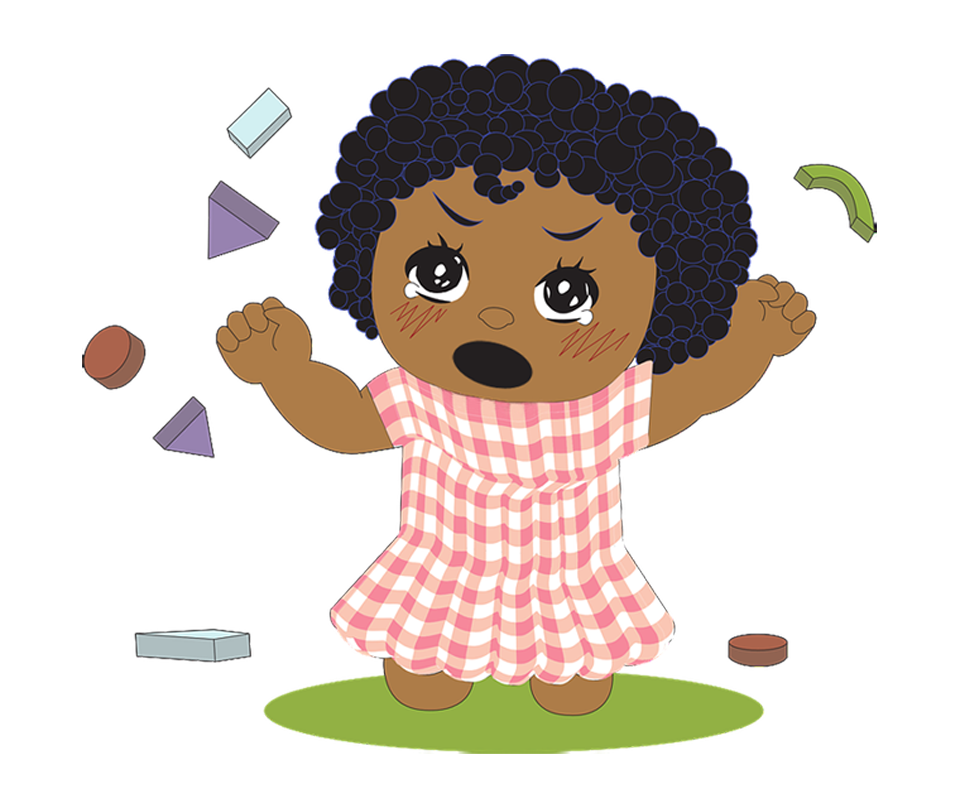
Tantrums
Tantrums are an obvious display of complex emotions and become more apparent after the first 12 months. Toddlers become easily frustrated because they want to do so many things. A child's own temperament influences how they are able to manage stress and setbacks.
How should a tantrum be managed? Some suggestions are: Remove from an unsafe situation, let the tantrum runs its course, stay calm; hold and hug if that seems right but don't try and reason with them when the tantrum is in full flow.
Do not give them the object they were crying for. Do not shout. Be a role model but empathise with their strong feelings.
Later, try and think calmly about what happened using the following steps
Antecedents - what was going on before the tantrum? For example were they tired, hungry, provoked by a sibling, ignored for a long time
Behaviour - what was the behaviour? Crying, throwing, resisting.
Consequences - what happened afterwards? Was there some sort of reward? Did they get what they wanted? Sometimes attention, even if someone is shouting at them, can be better than being ignored?
Note: It is easy to ignore good behaviour! Increase the praise and positive attention when they are playing well, trying to help at home etc.
Be Aware
Tantrums are a normal part of emotional development. It takes a long time to learn to self-regulate emotions. If they persist after the age of 4 or 5, last more than 15 minutes occur 10-15 times a day there may be an issue with general developmental problems, emotional development or parental management.
Remember the A, B and C of tantrums!
A for Antecedents, B for Behaviour and C for Consequences.