Supporting learning
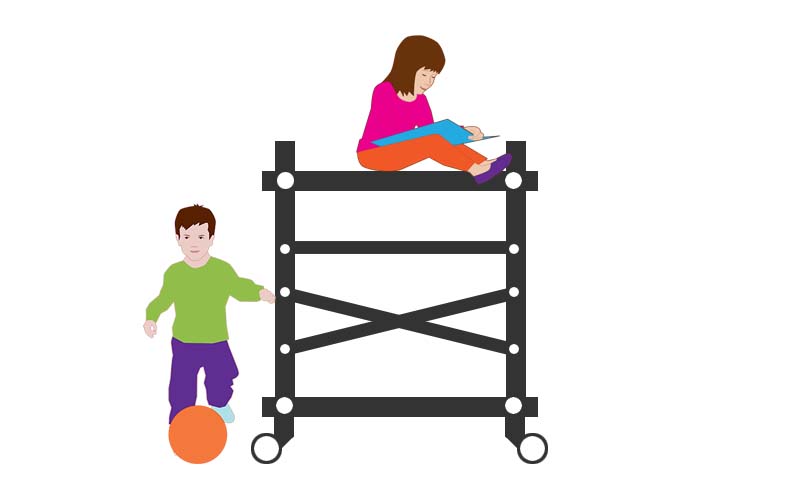
The Zone of Proximal Development, commonly referred to as ZPD, is an important principle of Vygotsky's work. ZPD is defined as the range of tasks that a child can perform with the help and guidance of others but cannot yet perform independently.
Within the Zone of Proximal Development there are 2 levels. Firstly, there is the actual developmental level. This is the limit of tasks a child can do on their own. The second level is the level of potential development. This is the upper limit of tasks that one can perform with the help of a more competent individual.
Vygotsky viewed the Zone of Proximal Development as the area where the most sensitive teaching or guidance should occur. This would allow the child to develop skills to use on his or her own to develop higher mental functions.
While children are certainly influenced by peers and popular media, parents impact the development of their children more than any other source. Continuing to read to, and with children, playing games and planning outings that are both fun and intellectually stimulating, and encouraging children’s natural desire to make decisions are all things that parents can do to help their children at this age.
Click on the buttons below to learn more about the ZPD.
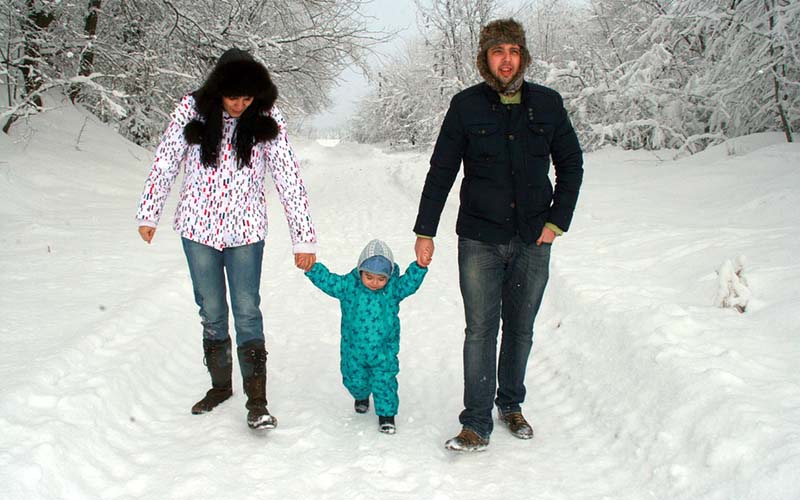
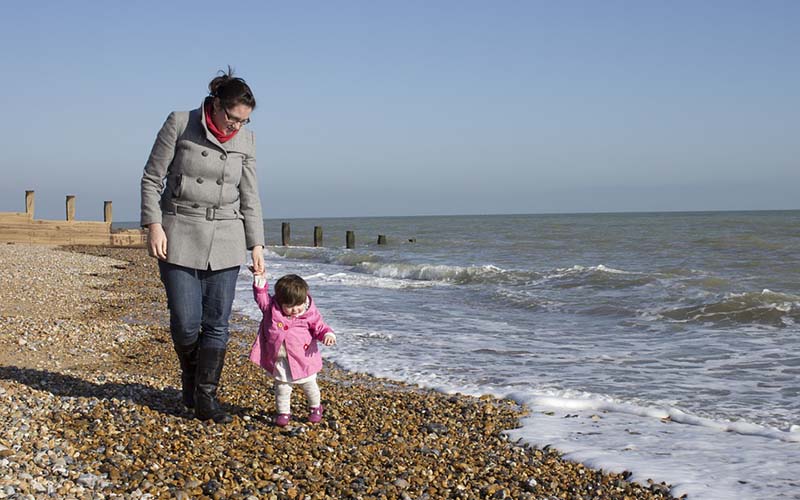
Learning to Walk - first the parents hold the child up, supporting it fully. The child then progresses to holding it's own weight with less parental support. Next the child uses furniture for support and finally the child walks alone, with parental hands close in case of a fall. Support is therefore gradually withdrawn.
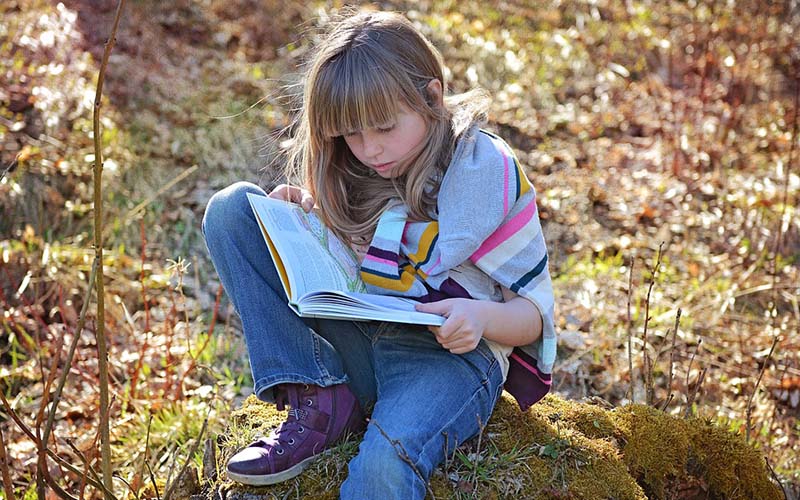
Help with Reading - children can be read to at first, before they start to read. The comprehension of words or word-study is important so children don't face unfamiliar words when they see them for the first time. Providing background information adds context and aids comprehension. You can also read aloud to children and then stop and talk about the passage to get their feedback.
Help with Maths - counting with objects such as buttons or counters can help if children find the abstract nature of maths difficult. Teachers can also draw out mathematical structures, such as a grid or other mathematical notation, so children can focus on the numbers. Mathematical concepts can also be explained in multiple ways and with real world examples, such as buying sweets.