Theoretical perspectives
Theorists such as Piaget and Erikson have made attempts to explain this period of intellectual development. The formal operational thought that Piaget describes moves even further with the young person able to use logic to manipulate ideas in their head, to reason more analytically. The processes described develop as the young person expresses their opinions though discussion and debate. This process can continue to develop well into adulthood. The intellectual development of some adults can appear to stop within adolescence although the person does continue to develop socially and emotionally.
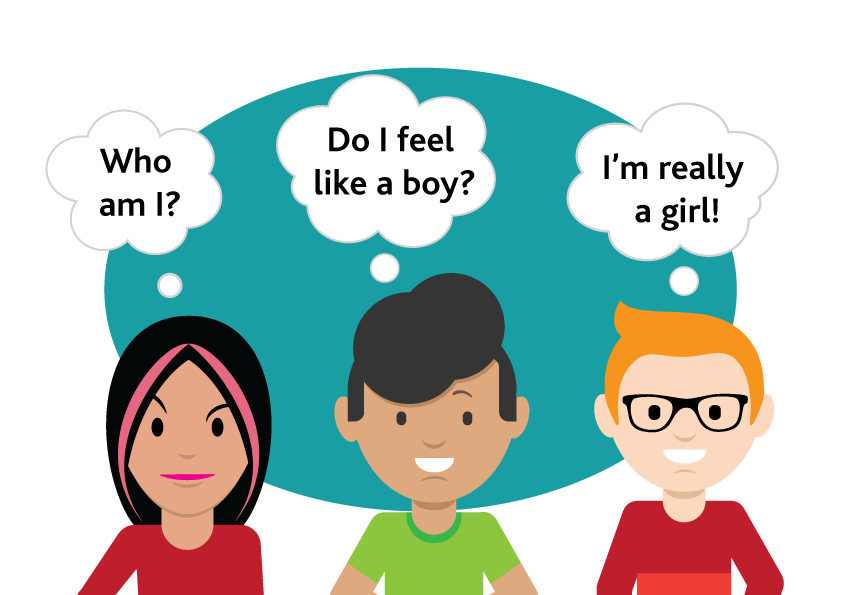
Erikson described this period of development a time of "identity versus role confusion", where the young person is developing their identity, exploring their gender orientation and working through relationships. He suggests that by 18, a young person will have a clearer idea of what they see themselves doing as an adult and who they see themselves being in terms of relationships, gender orientation, their own body image and how they portray themselves to other people. However, this period of time is about exploring possibilities, adapting and growing into the adult role. If the young person doesn’t complete the stage of development and fails to establish a sense of their own identity, the confusion that occurs can mean the older adolescent experiments more with different lifestyles and career choices. This can lead to rebellion, negative identity, unhappiness and even poor mental health.