
CRIB - Caregivers' Responsive Infant Feeding Behaviours.
6. What can make it easier to feed my baby responsively?
Explore these three areas for some practical tips to help you and your baby enjoy responsive feeding.
Bringing attention back to baby
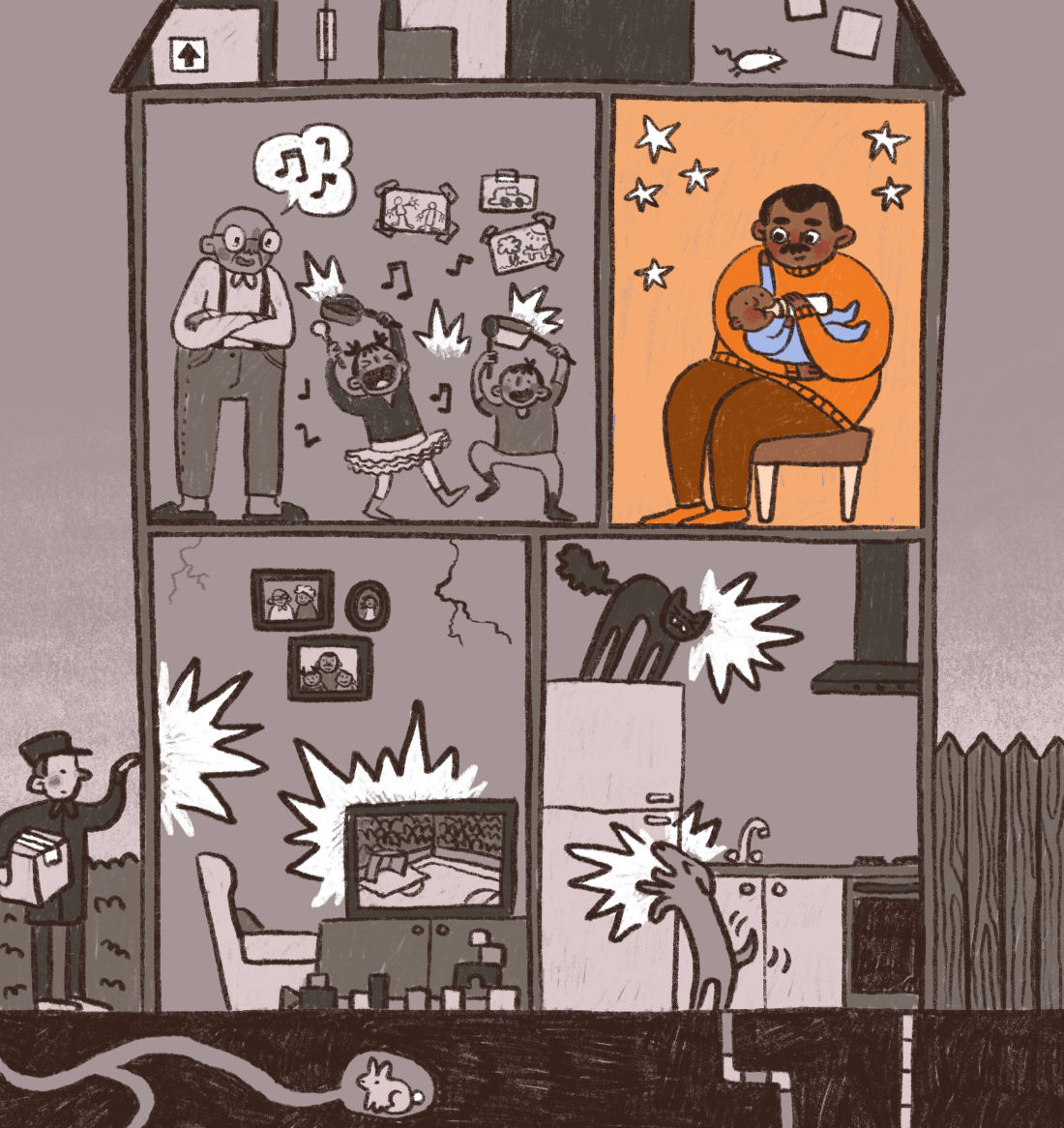
Being a caregiver means there are a lot of things to juggle. In a family home there is lots going on, especially with other children and interruptions from everyday tasks.
When out and about there can also be lots of distractions. Sometimes you need to make a conscious effort to bring your attention back to your baby.
What happens when you take a moment to respond to baby
When you hold your baby close and make eye contact with them during feeding, you and your baby both release a hormone called oxytocin. Oxytocin helps calm you and baby and helps you both to bond.
Doing what's best for your baby
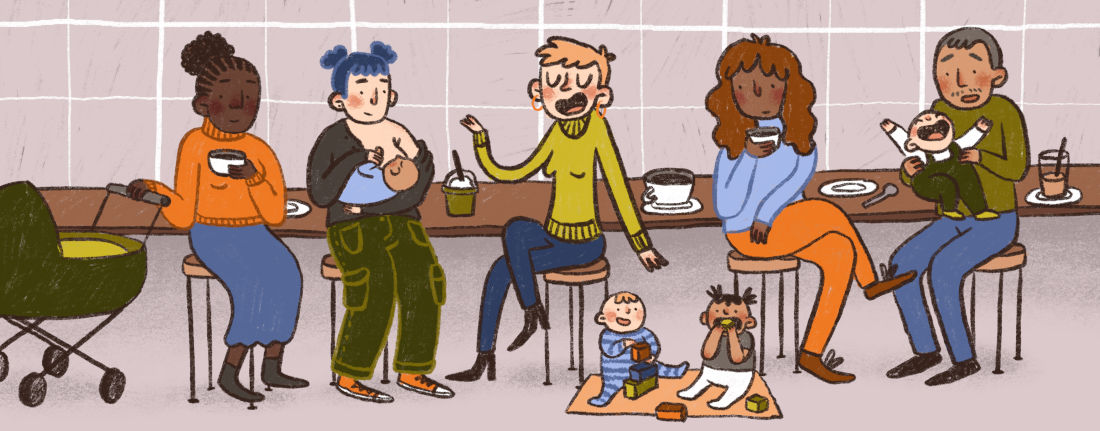
Every baby is different
Babies can be full from different amounts of milk. You might compare how your baby is feeding with other babies. Try to trust yourself and your baby by focusing on their hunger and fullness signs.
How much milk your baby needs at each feed can change each day. It is important that babies are not made to finish the bottle if they show signs of being full.
Babies can be full from feeding for different amounts of time. Your baby may want to breastfeed for different lengths of time on different days. Sometimes they may want shorter feeds and sometimes they may want longer feeds. How often your baby needs to feed can change each day. Sometimes your baby may breastfeed every hour or go for longer breaks between feeds.
If you are worried about how much your baby is feeding then make a note and speak to your midwife, health visitor or GP about your concerns.
Self-care
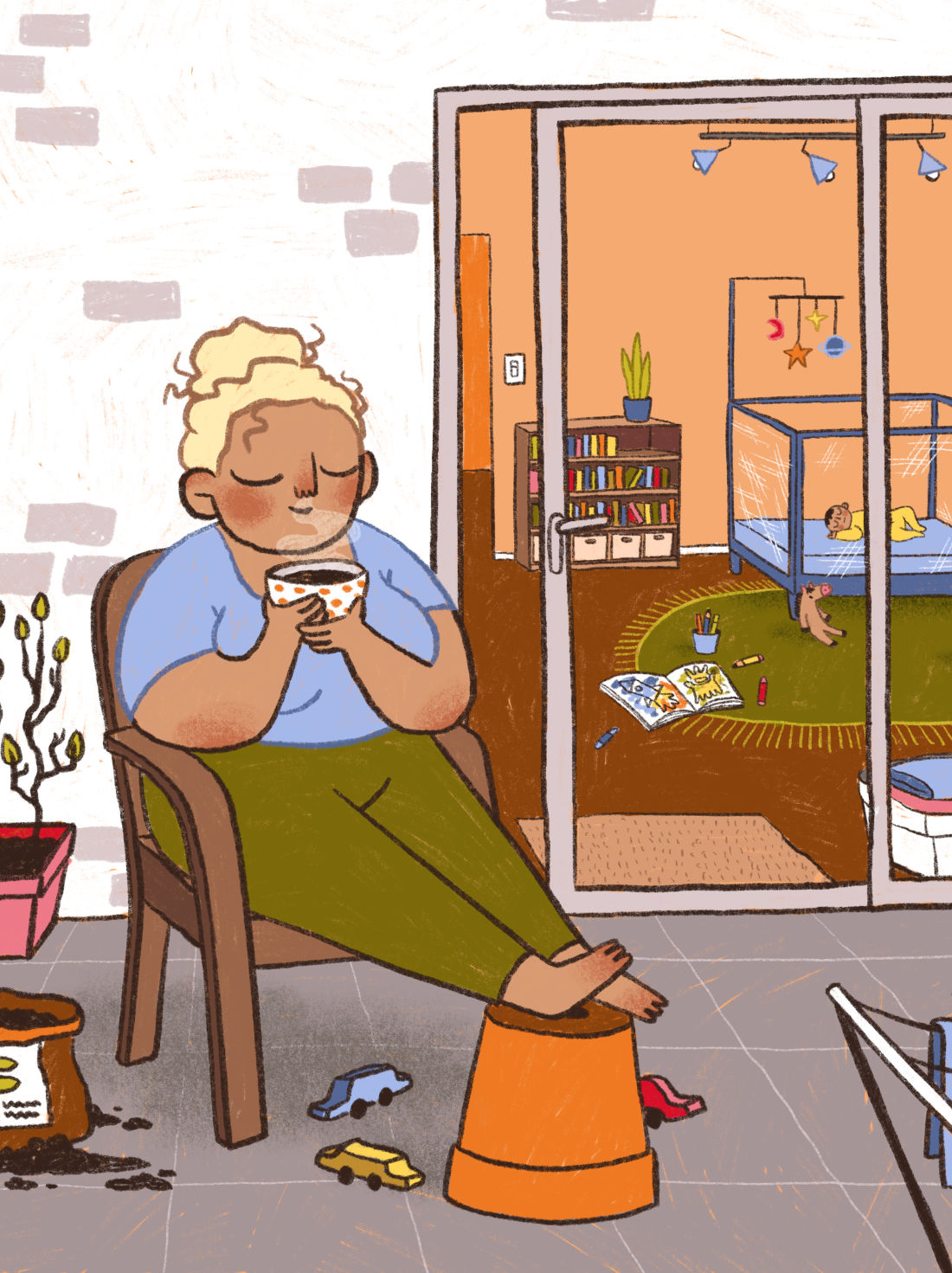

When we are feeling stressed, anxious or down it can be harder to focus on responding to baby's signs. Here are some self-care suggestions.
- Recognise that it is okay to put your baby down in a safe, clear, flat sleep space when you need time for yourself.
- Sometimes it can be helpful to take a few deep breaths.
- Prioritise small times for self-care such as having a bath. Aim for a total of 30 minutes for yourself every day.
- Eat and drink when you need it.
- Discuss your support needs with your partner or friends or family. For example, for help holding baby when they are crying, for massage or foot rubs etc.
- Take a look at our resources page for services that may be able to help if you need support.