Society and communities
Reducing educational inequality in Sri Lanka through the School Clustering Reform
Dr Venga Sarma, Assistant Professor at the University of Nottingham is leading a collaborative research project with the Centre for Poverty Analysis (CEPA) to evaluate Sri Lanka’s new school clustering reform—a policy aimed at addressing long-standing educational inequalities.
The challenge: Unequal access in a fragmented system
Sri Lanka’s education system, despite high literacy rates, remains deeply unequal. A new policy initiative proposes clustering schools to share resources and improve equity. This project, in collaboration with the Centre for Poverty Analysis (CEPA), investigates the policy’s implementation and potential impact.
Sri Lanka’s education system is often praised for its high literacy rates, yet beneath this success lies a deeply fragmented and unequal structure. Schools are divided into national and provincial categories, with national schools—typically located in urban centres—receiving significantly more funding, better infrastructure, and more experienced teachers. In contrast, provincial schools, especially those in rural and estate areas, are under-resourced and struggle to deliver quality education. This disparity has led to a two-tier system where students’ educational outcomes are heavily influenced by geography and socioeconomic status.
The government’s recent education reform, outlined in the National Education Policy Framework (NEPF) 2023–2033, seeks to address these inequalities through a school clustering model. This model proposes grouping schools by geographic proximity into clusters of 8–12 institutions, led by one or more secondary schools. The goal is to encourage resource sharing, improve administrative efficiency, and enhance educational quality across the board. However, the success of this reform hinges on effective implementation, stakeholder buy-in, and a clear understanding of the policy’s real-world impact—areas that remain under-researched.
The research: Bridging policy and practice
To address this gap, Dr Venga Sarma, Assistant Professor in Industrial Economics at the University of Nottingham, launched a collaborative research project with the Centre for Poverty Analysis (CEPA), a leading Sri Lankan policy think tank. Supported by the Policy Impact Accelerator Programme (PIAP) at the Institute for Policy and Engagement, the project aims to evaluate the implementation and early impacts of the school clustering policy, with a particular focus on equity, resource allocation and stakeholder perceptions.
The ongoing research employs a mixed-methods approach. It includes policy document analysis, interviews with zonal education officers, and quantitative analysis of resource distribution and student performance data. In addition, qualitative interviews with school administrators, teachers, and community members are being planned to understand local experiences, challenges, and expectations related to the reform.
What’s novel: A participatory and contextual approach
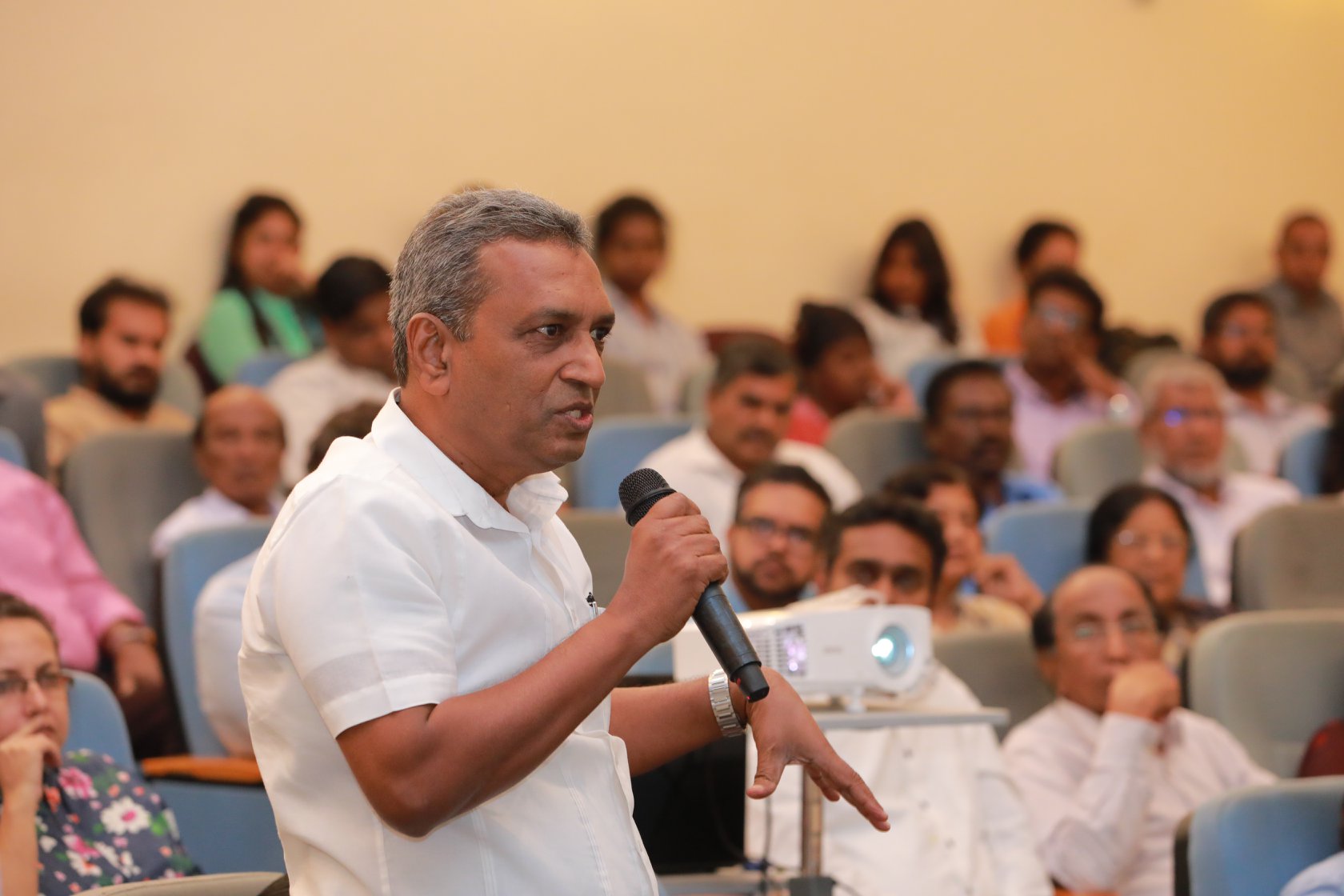
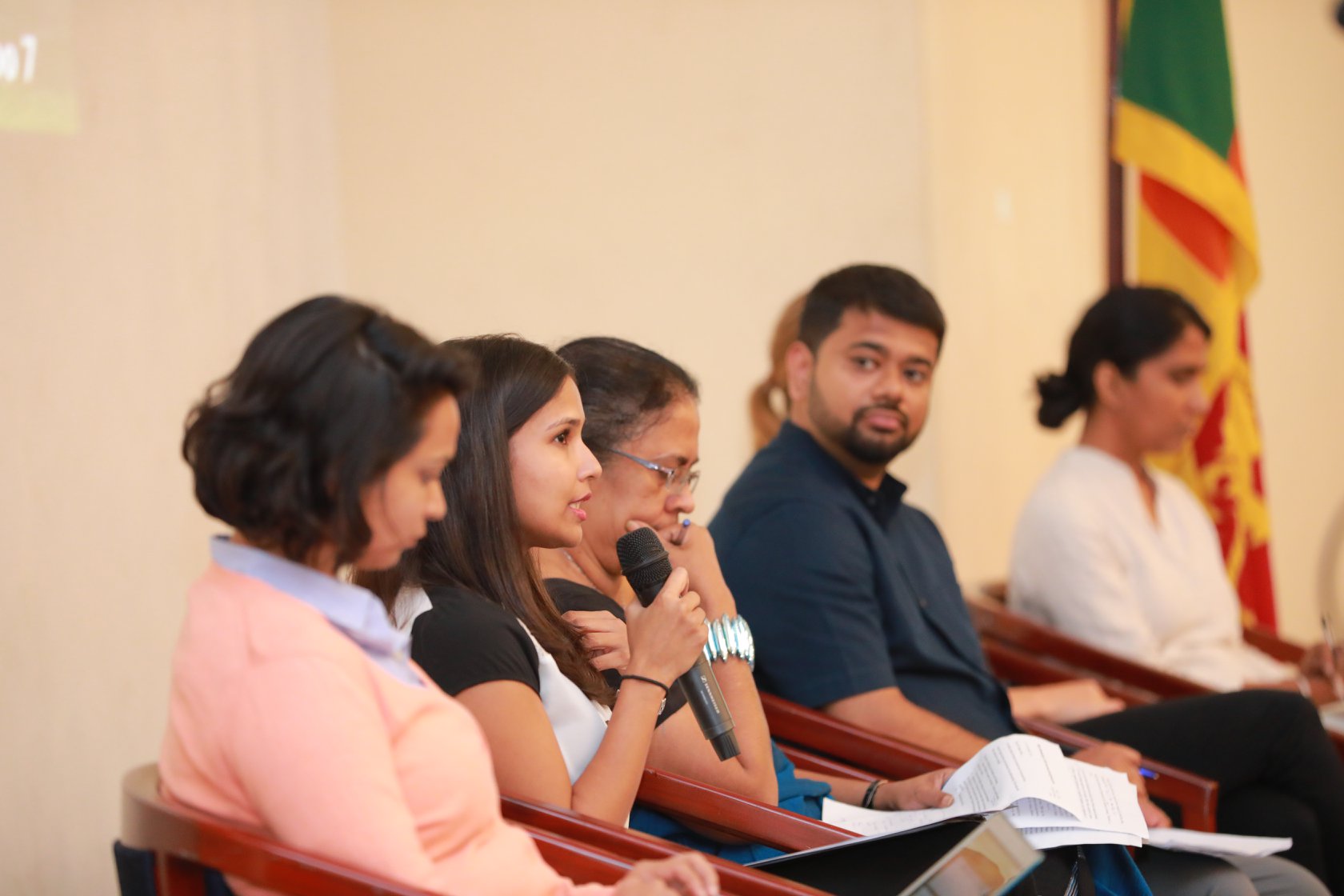
What sets this project apart is its participatory and context-sensitive methodology. Rather than imposing an external framework, the research design was co-developed with CEPA and informed by a roundtable discussion held in May 2024. This event brought together policymakers, educators, civil society representatives, and academics to explore the practical implications of the NEPF reforms. Their insights helped shape the research questions and research design, ensuring that the study is grounded in local realities and responsive to stakeholder concerns.
The project also recognises the importance of trust and collaboration in implementing systemic reforms. One of the key challenges identified is resistance from national schools, which fear a dilution of resources and autonomy. Building trust between schools with varying levels of support is essential for the success of the clustering model. The research explores how these dynamics play out on the ground and what mechanisms, such as incentives for teacher deployment or transparent resource-sharing protocols, might help overcome them.
Impact and engagement: From insight to influence
Although the project is still ongoing, it has already begun to influence policy dialogue in Sri Lanka. The May 2024 roundtable served as a platform for open discussion and highlighted the urgent need for evidence-based evaluation of the clustering policy. The research team is working closely with CEPA to maintain engagement with key stakeholders, including zonal education officers, school administrators, and policymakers at both local and national levels, and the public via media engagement.
Looking ahead: A model for broader change
Beyond its immediate policy relevance in Sri Lanka, this project has the potential to inform education reform in other developing countries facing similar challenges. The clustering model, if implemented effectively, could serve as a blueprint for improving equity and efficiency in fragmented education systems. The research team is also exploring opportunities for follow-up studies, including a deeper dive into rural case studies and alternative funding mechanisms to support the most disadvantaged schools.
By combining rigorous research with meaningful stakeholder engagement, this project exemplifies how academic work can contribute to real-world change. It aligns with the University of Nottingham’s commitment to global impact and sustainable development, particularly in advancing SDG targets related to quality education and reduced inequalities.
This article is part of a spotlight series developed by the Institute for Policy and Engagement, highlighting how we collaborate with researchers at the University of Nottingham to make research more relevant and accessible to the public.
Venga Sarma
Dr Venga Sarma is an Assistant Professor in Industrial Economics at the University of Nottingham. His research focuses on public policy, education reform, and economic development, with a particular interest in South Asia. Find out more about his research.