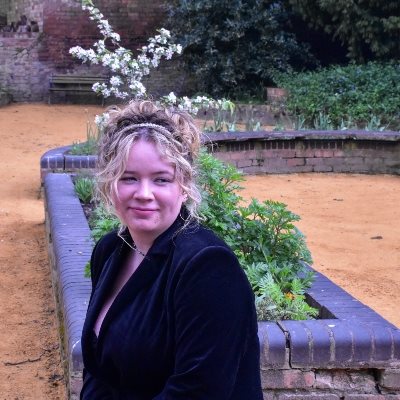
Freya Griffiths
By Freya Griffiths, MSci Hons Neuroscience
I am soon to begin my industrial placement year as part of my integrated master’s degree. I approach this opportunity with excitement and gratitude, reflecting on the year-long journey that got me here.
Laying the groundwork
The summer before my second year, I created my first scientific CV. Until then, my CV focused on part-time customer service roles. It needed restructuring to highlight laboratory skills and scientific knowledge. I made use of the university’s careers department, where the staff were incredibly supportive.
Their expertise in student placement applications helped me further refine my CV so that my skills stood out clearly and professionally. They also emphasised the importance of tailoring my CV and accompanying cover letter to suit each company and role I apply to.
By the first week of September, I had completed 90% of the application groundwork, allowing me to focus on lectures once the term began. With a solid CV and cover letter template, I spent weeks researching company values and scientific contributions to personalise each application. I submitted seven applications to companies including AstraZeneca, Roche, and GSK.
The next steps
Many of these progressed to the next stage – written responses, online assessments, and recorded interviews. Despite all this, I received just one invitation for an in-person interview, for which I had to prepare a presentation on a scientific topic I was passionate about.
The process was taking up most of my time and energy. I struggled balancing this and my course when term began, especially when the interview clashed with lectures.
Interview day
On interview day, I was the first of four candidates scheduled to present. I was relieved, as public speaking is something I struggle with. My anxiety was made worse when I realised they had an outdated version of my PowerPoint. I persevered, but I had myself convinced that the presentation’s lack of polish and my nerves had cost me the opportunity.
The day continued with a technical interview and a tour of the facilities. I discussed my lab experience and academic interests with the team and took time to learn about their work environment and culture – interviews are, after all, a two-way process.
And then it is all over.
It is quite daunting when you leave an interview and realise that your future is now determined, and there is nothing more you can do.
Waiting for responses
In the following weeks, I received rejections from other applications and I continued to struggle with my studies as my health worsened. I was contemplating taking a voluntary leave of study, when I got the offer. I was thrilled, but now a new pressure emerged. To do the placement, I needed to pass second year without any resits. My determination to do this placement got me through winter exams and carried me through the rest of second year.
My reflections
Now, with my second year behind me and my placement beginning in less than a month, I’m genuinely excited. It was a lot of work, both on my course and outside of it, but I know the experience will be invaluable.
Reflecting on the process, I’ve learned that everyone’s journey is different. Some of my coursemates found placements quickly, others secured one six months later. Some chose industrial settings, others went academic. What matters is persistence. The application process can be exhausting, but with support, determination, and resilience, it pays off.
Good luck to everyone applying! If you’re going through this now, I hope you know you’re not alone.
If you need help sourcing vacancies for placements and applying for them, please get in contact with us. Our website contains a wealth of information and you can book an appointment with a member of staff for personalised careers advice.
We know making applications and balancing your studies can be challenging, take a look at our career wellbeing webpage for support and search this article.
Posted on Tuesday 12th August 2025