Cultural differences and emotions
Fourthly, identification with models. This can be seen with the under twos when watching them play. They will often use gestures or repeat phrases heard at home in a parents' tone of voice, for example 'sit still' or 'in a minute' when talking to dolls or teddies. They pick up on parents and carers behaviour as well and will often copy this in their play with others.
All of this may have an effect on their self-esteem in both positive and negative ways.
Self-esteem
This is the regard that people have for themselves. It's really difficult to decide how we arrive at a sense of self-esteem; it's a gradual process. Before a baby can understand spoken language they know when parents and carers show anger, pleasure, disappointment or approval by their body language and tone of voice.
Cultural differences
Although emotions are expressed in a similar way all over the world there are some differences. Asian children are encouraged to show emotional restraint and American and European babies seem to cry and smile more than Chinese children of the same age. Some cultures and some families value cooperation, some obedience and some value individual self-expression.
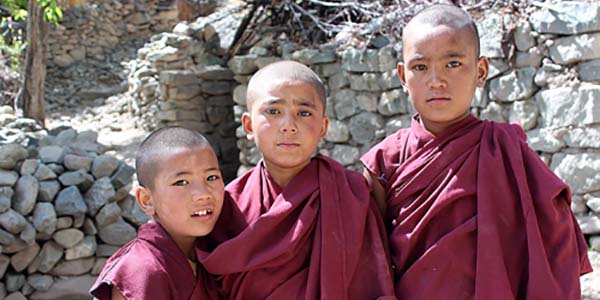
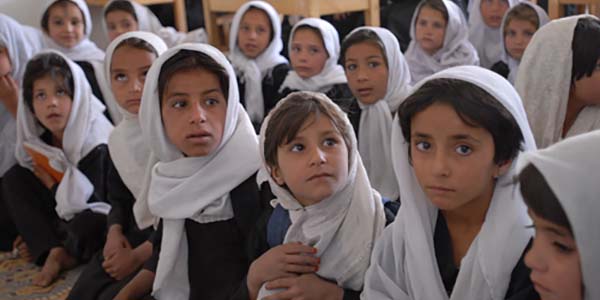
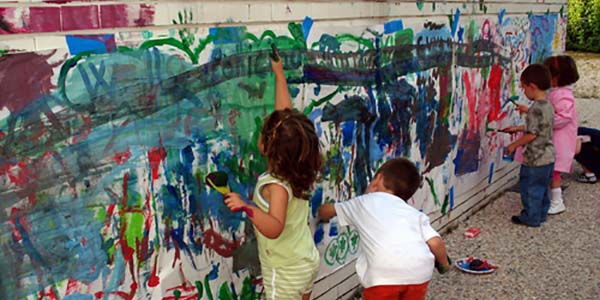
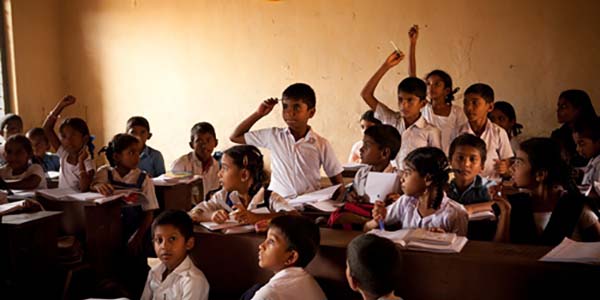
Cultural diversity - children experience social development differently all over the world. The photos below show some of the different cultures children are brought up in today.