Play and social competence
Vygotsky believed children benefited from play, because it allows them to take part in activities that they couldn't otherwise take part in; driving a car, cooking in a play kitchen or putting the teddy to bed. He emphasised the role of the adult or older peer to enhance and extend the child's ideas and thinking.
When working with children you will observe many distinct types of play.
Young children first play by themselves and sometimes don't seem to be very aware of other children around them. This is solitary play. Sometimes they will watch other play but not join in. This is termed onlooker play.
By about 12 months they reach out, smile and approach other babies and respond to approaches but often are happy playing alone.
As they get older toddlers will give each other toys, smile and imitate each other. They may also take the other child's toys if they want them. They are still at the egocentric stage though so if 2 children are playing in the shop area of nursery, neither will give way if both want to use the basket. This type of play is called parallel or associative play and is observable from about 18 months to 2 years.
As they grow older, children will play with the same toys next to other children, but independently. They may swop toys or comment on each other's play.
Finally their play becomes more interactive and cooperative, for example building a den out of junk material or with blocks or bricks or taking part in a make believe game.
However, even when they have developed these more complex play skills, they will continue to play alone or alongside other children at different times.
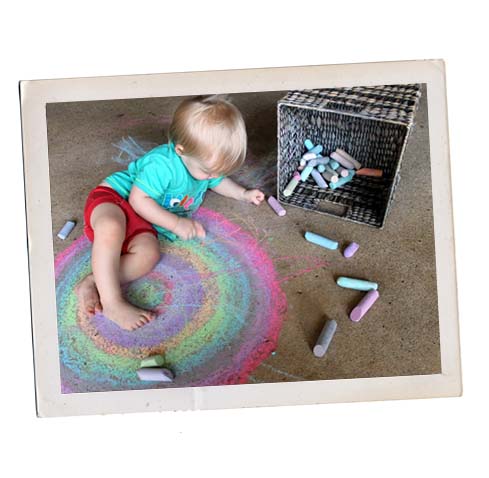
Solitary play - playing alone
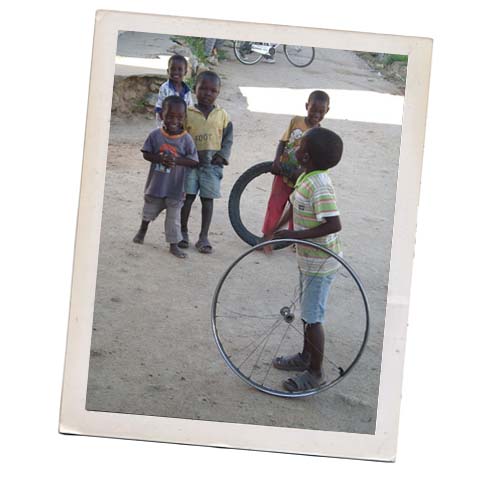
Onlooker play - watching one another play
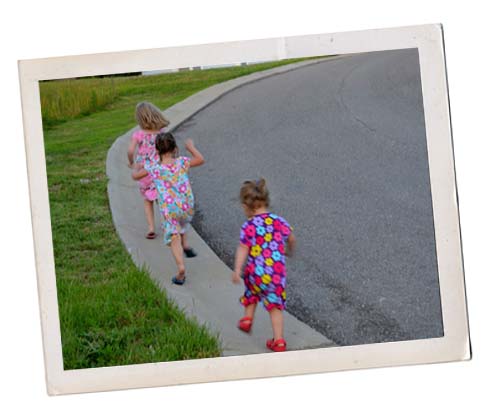
Parallel play - copying one another with little interaction
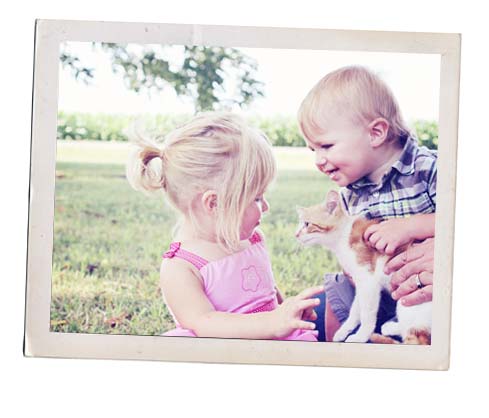
Associative play - a growing interest in one another beyond toys
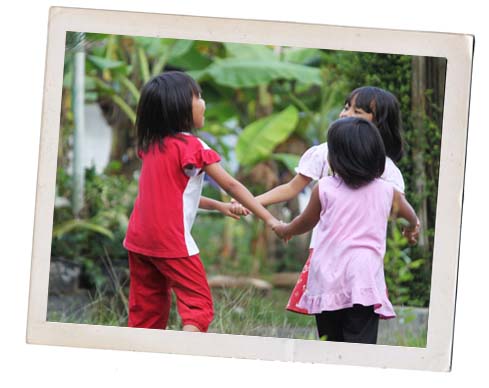
Cooperative play - children together in organised play. They have roles and goals