Sex and gender
Children acquire a sex or gender identity and learn gender appropriate behaviour between the ages of 2 to 5 years. During the preschool years children will become aware of being a girl or boy. Even at 2 a child will be able to identify girl and boy and if someone is a mummy or a daddy. Over this age range, children tend to show a preference for playing with their own sex and will show preferences for playing with gender stereotypical toys. The way in which girls and boys try to control and guide interactions also start to diverge, with girls using an enabling and coaching style, for example "Would you like to play with me?" and boys using a controlling style, for example, "Give me that", or use of play fighting.
Gender role refers to the values, behaviours and beliefs associated with males or females within a society. Despite stereotypical sex roles becoming more blurred over recent decades, particularly in Western cultures, studies conducted recently indicate that through exposure to media and observing others, children in the 2 to 5 age range still learn quickly that certain roles and behaviours should only be seen in certain sexes. For example, boys do not play with dolls. These ideas can be quite fixed, however, this may lessen and become more flexible within the next developmental stage.
Scroll the slider to explore the gender bias of different toys that have been popular over the last 50 years.
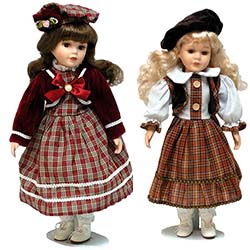
Dolls - female gender bias
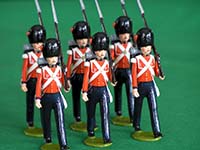
Soldiers - male gender bias
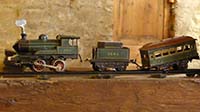
Clockwork train - male gender bias
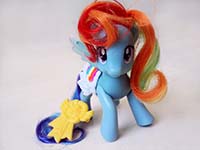
Toy pony - female gender bias
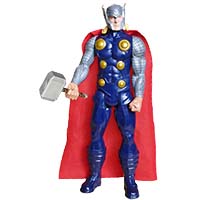
Super hero - male gender bias
Toy castle - male gender bias

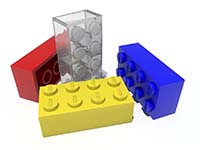
Bricks - neutral gender bias
Magic - neutral gender bias

Toy people - neutral gender bias
Toy kitchen - female gender bias
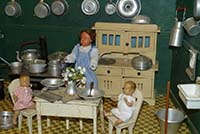
Table-football - male gender bias

Chess - neutral gender bias

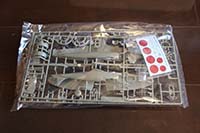
Model kit - male gender bias
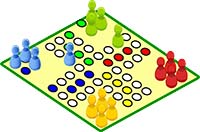
Ludo - neutral gender bias
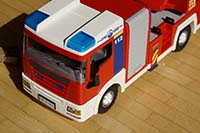
Fire engine - male gender bias
Toy animals - female gender bias