Prosocial behaviour and moral development
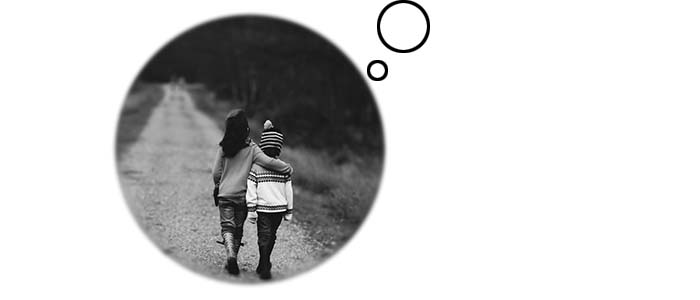
Prosocial behaviour is any action that is intended to benefit others, for example sharing or comforting. In everyday language this selfless concern for others is known as altruism.
This prosocial behaviour is seen in children of 2 to 3 when they offer a toy to another child or try and comfort them if they are crying. It is also interesting that children who are able to show empathy and altruism are the same children who are more able to self-regulate, show positive emotions and are therefore popular with peers. They are more likely to show these traits into adulthood.
Children are not born with a sense of right and wrong. Their understanding of these concepts start to develop in this age group. At first their understanding can be simple such as the fact that snatching a toy from another child is wrong. Later, with help from adults, they begin to understand how the other child feels when the toy is taken away and how they can make amends and continue to play with each other and the toys.
Observations of children in this age group suggest they understand that the intention to do a good or bad thing is also important. For example, if knocking over a drink was an accident it will lead to fewer consequences than if something is done intentionally.