Factors affecting brain development
There are many physical factors that can affect brain development even before birth. Here are some of them.
Prematurity - these are babies born early or 'pre-term' which is defined as the birth before 38 weeks of pregnancy.
Slow growth in the womb. These are babies who are born at the right time or 'at term' but are smaller than would be expected. Researcher, In a famous study, David Barker found that low birthweight was linked with an increase in risk of heart disease in later life. We are only just beginning to understand how life in the womb can affect health over a lifetime.
Infections - one of the best known is the effects of German measles or Rubella in a pregnant woman which can cause hearing, visual and learning problems in an unborn baby. Cytomegalovirus Meningitis in an infant may result in learning difficulties.
Birth trauma - this may cause bleeding in the brain and/or a lack of oxygen to brain cells which causes cell death.
Genetic alteration - some inherited or acquired syndromes can also affect brain development.
Extra information: - research shows that the placenta is very important in filtering what passes from the mother through to the foetus (O'Donnell et al 2009) For example, if the mother is stressed more of the stress hormone cortisol may pass through, and this in turn can alter the development of the foetal brain. Physical changes during prenatal development, like exposure to alcohol, can have long term consequences on cognitive functioning. Difficulty forming strong attachments can also have effects later in childhood and even adult life. There is a lot of research that looks at the relationships between these factors and cognitive development and there are also several theories about how children learn.
Recent work in neuroscience shows the pre frontal cortex which in involved in activities such as forward planning and problem solving is still forming in our late teens and early twenties. Although most authors stress the importance of the early years, and that early adversity seems to have an effect on brain function it is never too late to change this - it might just take longer.
Brain Development - can you think of other factors that could affect brain development - either before or after birth?
Write a few words about what factors could affect brain development.
Click on the images below to see how your thoughts compare to the main factors influencing brain development.







Lack of stimulation - holding and cuddling small babies stimulates the sensory part of their brain. The touch sense is the first that develops pre-birth and new babies are especially sensitive around the mouth, hands and bottom of their feet. Vison is the least mature sense.
Head injury - this could be through an accident or non-accidental for example through shaking.
Alcohol - small amounts may have as effect on brain development but large amounts can lead to foetal alcohol syndrome. This is because alcohol is a teratogen, or a substance that interferes with normal prenatal development.
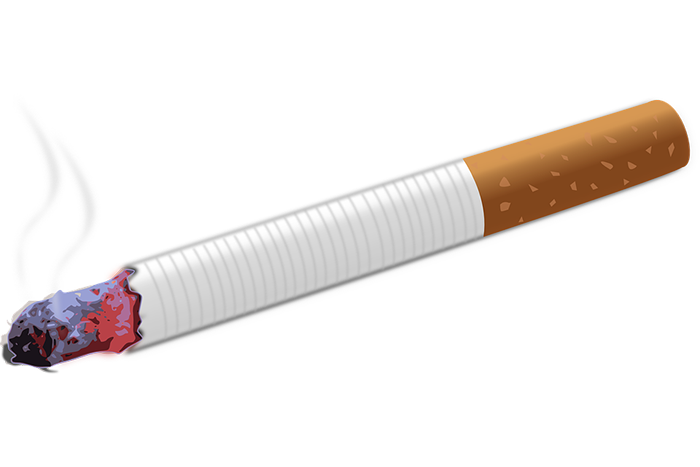
Nicotine - smoking can slow foetal growth and alter aspects of the developing brain.
Legal Drugs - many people remember the story of thalidomide which was a very effective medication for combating morning sickness; it also caused extreme underdevelopment of arms and legs and defects in the gut, heart and blood vessels. Drugs used to lower blood pressure in adults can reduce the flow to the placenta.
Illegal Drugs - opioids such as heroin, methadone and morphine cross the placenta so the baby may have withdrawal symptoms from 6 hours to 8 days after birth and is more likely to be small. The main component of marijuana, tetrahydrocannabinol, can cross the placenta but does not seem to cause birth defects or slow foetal growth.
Stress - mum's stress during pregnancy may affect the development of the foetus, higher levels of the stress hormone cortisol have been shown to change the development of the foetal brain. Research is still ongoing, but it seems as though the changes are not obvious.