Areas of the brain
Characteristics
The brain develops from the bottom to the top and from the inside out.
At first basic physiological functions are developed - reacting to hunger, pain, fear, cold takes priority followed by the mastery of emotions and later on the development of thinking or cognition.
The four parts of the brain involved in basic functions are the brain stem, cerebellum, thalamus and reticular formation. The four parts of the brain that control motivations and emotions are the hypothalamus, hippocampus, amygdala and pituitary.
What does this mean in a practical sense for infants? It means that crying, feeding, sleeping and filling their nappy/diaper are actions that are controlled by parts of the brain that are not under conscious control. Much of the behaviour of babies under six months such as crying, being sick or wetting and soiling a nappy is not 'deliberate'. On the other hand their developing brain is stimulated by their relationships with adults and behaviour can be reinforced by the actions of adults and so 'learnt'.
The four lobes of the brain are :
- The temporal lobe processes information about what you hear.
- The parietal lobe processes information about what you touch.
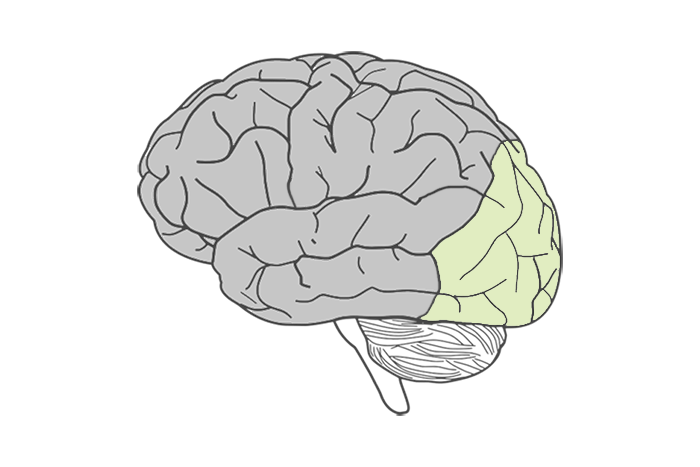
- The occipital lobe processes information about what you see.
- The frontal lobe helps you speak, coordinate your movements and is also involved when you plan.
Be Aware
The Prefrontal cortex has a role in our thinking and organising skills as well as decision making and moderating our social behaviour. More recent research shows this area of the brain may not finish developing until people reach their early twenties.
Areas of the brain
Click on the parts of the brain to learn more about them.
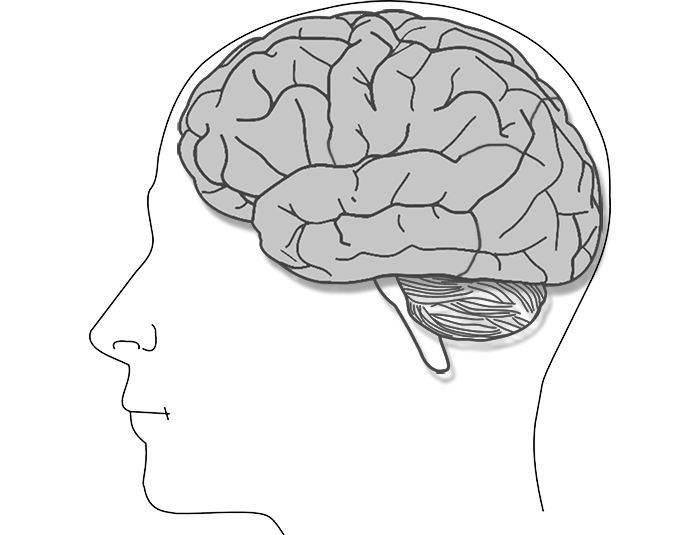
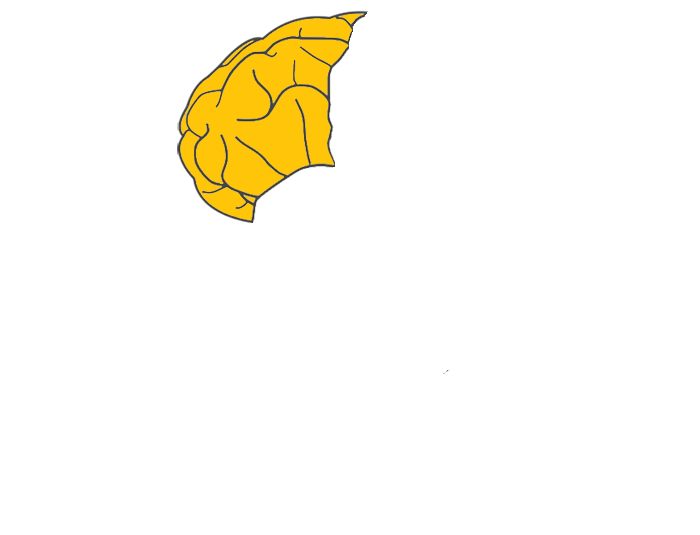
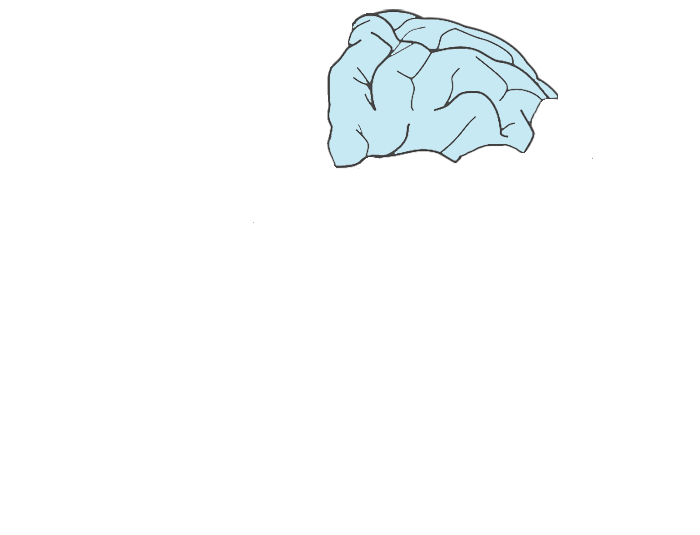
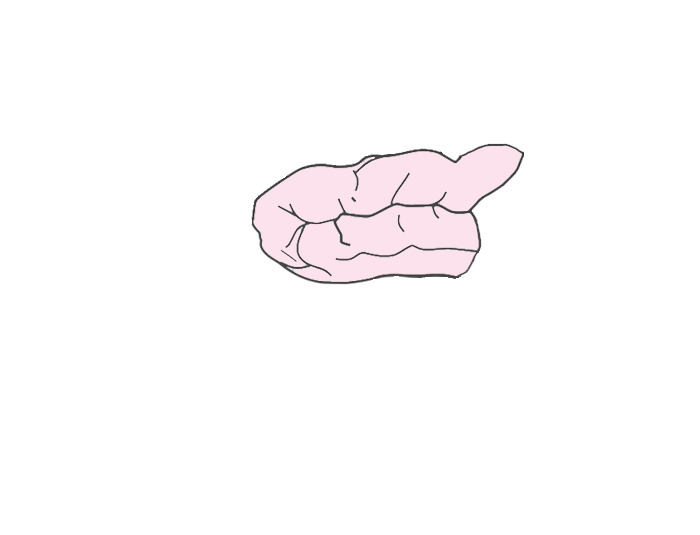
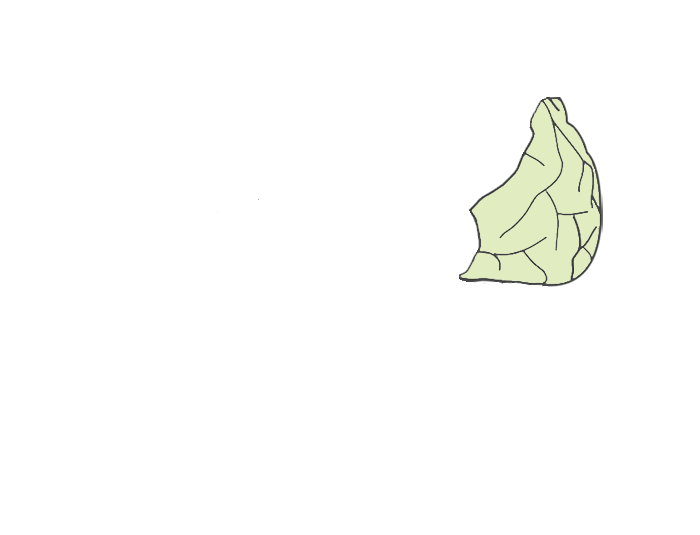
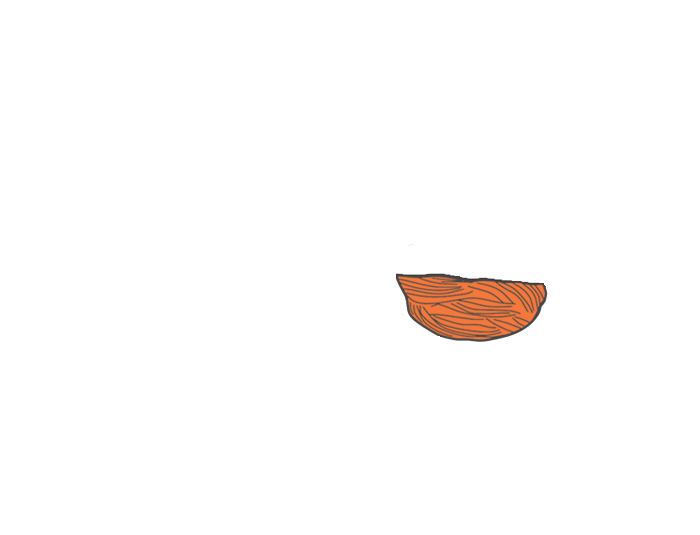

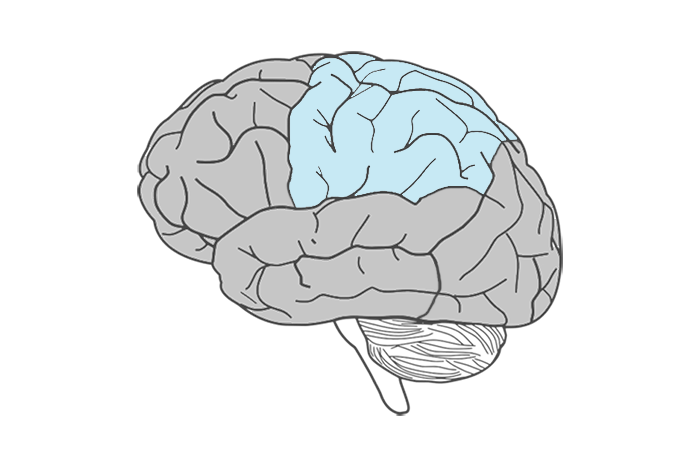


Frontal Lobe - this lobe controls several elements including creative thought, problem solving, intellect, judgment, behavior, attention, abstract thinking, physical reactions, muscle movements, coordinated movements, smell and personality.
Parietal Lobe - this lobe focuses on comprehension. Visual functions, language, reading, internal stimuli, tactile sensation and sensory comprehension will be monitored here.
Temporal Lobe - the temporal lobe controls visual and auditory memories. It includes areas that help manage some speech and hearing capabilities, behavioral elements, and language.
Occipital Lobe - the occipital lobe is located in the cerebral hemisphere in the back of the head. It helps to control vision.
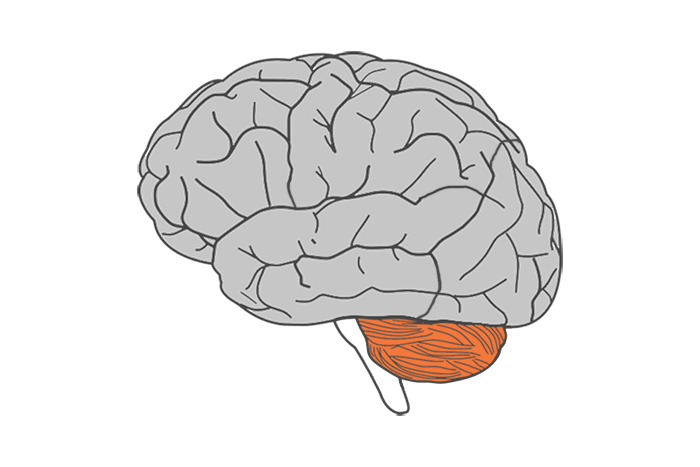
Cerebellum - this is commonly referred to as 'the little brain', and is considered to be older than the cerebrum on the evolutionary scale. The cerebellum controls essential body functions such as balance, posture and coordination, allowing humans to move properly and maintain their structure.
Brain Stem - all basic life functions originate in the brain stem, including heartbeat, blood pressure and breathing.