Gender and sexuality
At an earlier age children pick up gender type preferences and behaviour from others and with the start of adolescence this gender stereotyping often gets more intense. This is referred to as gender schema theory. This is partly as a response to physical changes but may also be because of increased pressure from parents to behave in keeping with traditional roles for boys or girls.
The major change in relationships is from the dominance of same-sex friendships to the beginnings of paired relationships which may be same sex or opposite sex pairings. The age this is permitted and the way relationships are viewed by adults is culturally dependent. Adolescents develop bodily reactions to sexual arousal and alongside develop an increased self-consciousness or modesty among same sex peers.
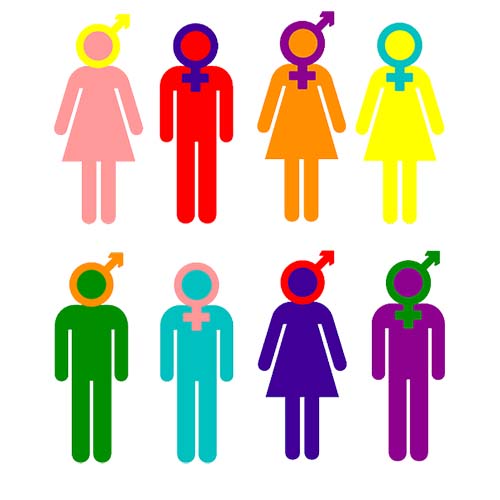
Gender identity and sexual orientation becomes more significant and may be thought about, discussed and disclosed. It can be a source of anxiety and confusion. Sexual exploration may increase and young people may seek physical and emotional closeness in relationships. There is an increased emphasis on appearance and sexual attractiveness, alongside the increased importance of chosen relationships over family relationships.
Be aware
Gender dysphoria occurs when a person experiences discomfort or distress because of a mismatch between their biological sex and gender identity.