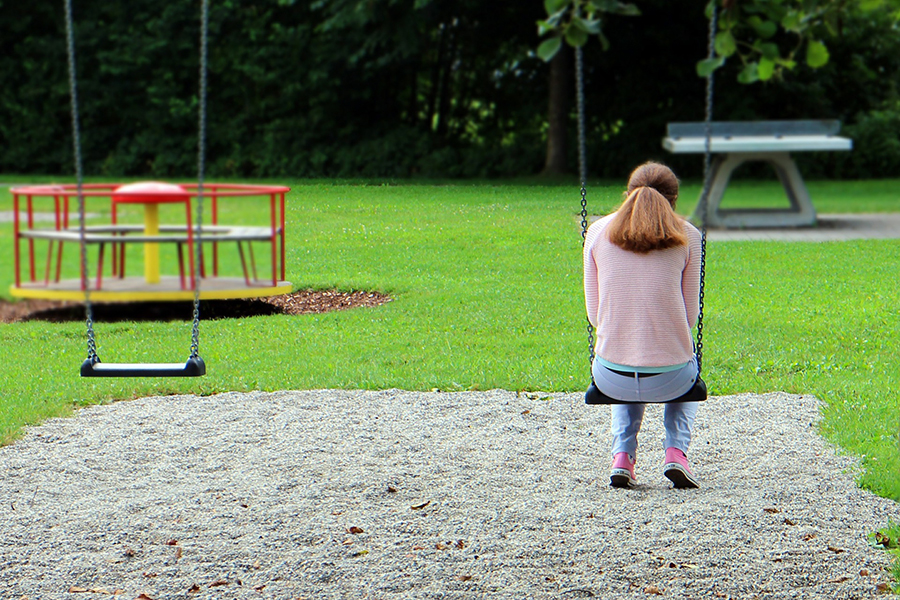
Social isolation
Young people live complex social lives, both in face to face relationships and in virtual relationships such as those on social media. Social isolation can have a lasting impact on social and emotional development in young people.
Social isolation can indicate a wide range of different underlying issues. There are many reasons why young people may find it difficult to make friends, go to school or social events and they are not always obvious. If a young person is being bullied they may not want to go to school or social situations, as they don't want to be picked on. On the other hand they may not want to go to school if they find the work too hard. They may worry about getting into trouble or they may find it hard to ask for help. Others may find it difficult to talk to teachers or other students because they are worried about embarrassing themselves. There may be abuse in the home, or the young person may be caring for a family member, or may not be encouraged by family to attend school. Some people are not interested in making friends or going to social events, while others find it difficult to know what to say and so avoid these situations due to shyness or social communication difficulties. Mental health issues including depression or low mood may make it difficult engage in daily activities and may be another cause of social isolation.
Be aware
Young people experiencing social isolation may be very good at hiding it, pretending they are going to school and other activities for example.