Community contributions
Alongside the development of independent views may come the sense of self-identity and an increase in self-reliance.
Parents and young people share a unique family culture, but by belonging to different subgroups young people may feel differently from their parents in terms of sexuality, culture and religion. This can lead to the confidence and drive to challenge established ways of doing things and a desire to speak out against perceived injustice. This can be within the family or within wider society.
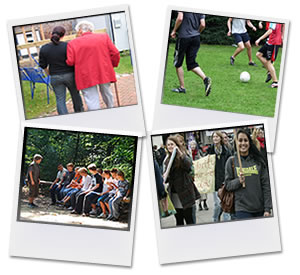
Many young people make a huge contribution to their families and local communities. This ranges from baby-sitting, helping to care for older relatives, to campaigning for provision of local amenities. As young people move through late adolescence they tend to develop a greater tolerance of difference. This may reflect, and even drive, wider societal views, such as issues of animal welfare, poverty, gender equality, immigration, education and health.
Late adolescence may be a time when young people are at their most individualistic and striving for independence, but they are also at their most social and are interested in collaborating to create a fairer society. This, coupled with greater time and fewer financial responsibilities within this age group, is often reflected in the high levels of involvement in charitable causes, raising money and volunteering that are seen in this age group.