Factors affecting brain development
There are many physical factors that can affect brain development even before birth. Here are some of them.
Birth trauma - this may cause bleeding in the brain and/or a lack of oxygen to brain cells which causes cell death. Genetic alteration - some inherited or acquired syndromes can also affect brain development.
Infections - one of the best known is the effects of German measles or Rubella in a pregnant woman which can cause hearing, visual and learning problems in an unborn baby. Cytomegalovirus or Meningitis can result in an infant with learning difficulties.
Stress - if the mother is stressed more of the stress hormone cortisol may pass through the placenta, and this in turn can alter the development of the foetal brain.
Nicotine - smoking can slow foetal growth and alter aspects of the developing brain.
Slow growth in the uterus - these are babies who are born at the right time or 'at term' but are smaller than expected. We are only just beginning to understand how life in the uterus can affect not just birth weight, but the health of an individual over a lifetime.
Drugs - prescribed drugs used to lower blood pressure in adults can reduce the flow to the placenta, Many drugs are said to be teratogenic. This means than can harm the development of the foetus. Thalidomide, the anti-morning sickness drug is one of the most remembered examples. It caused severe changes in limb and organ development. Recreational drugs such as heroin and methadone cross the placenta so the baby may have withdrawal symptoms from 6 hours to 8 days after birth and is more likely to be small.
Nutrition in pregnancy - fats and carbohydrates provide energy and protein is critical for ensuring the growth of foetal tissue including the brain. Micronutrients such as vitamins and minerals are also needed in small amounts. For example, Folic acid plays an important part in reducing the risk of neural tube defects which can affect a baby’s brain and spinal cord. A lack of iodine affects production of thyroid hormones and an insufficient supply may result in brain damage and developmental delay.
Alcohol - small amounts may have as effect on brain development but large amounts can lead to foetal alcohol syndrome. This is because alcohol is a teratogen, or a substance that interferes with normal prenatal development.
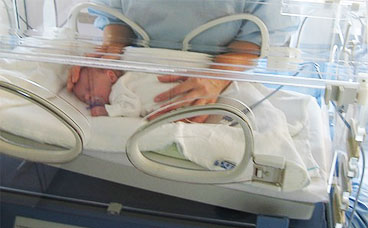
Prematurity - these are babies born early or 'pre-term' which is defined as birth before the end of the 37th week of pregnancy.
Select the images to see some of the factors influencing brain development.