Pre birth development
The baby continues to develop from the blastocyst into an embryo and then into the foetus. An overview of the major changes that occur as the baby grows in utero are identified below.
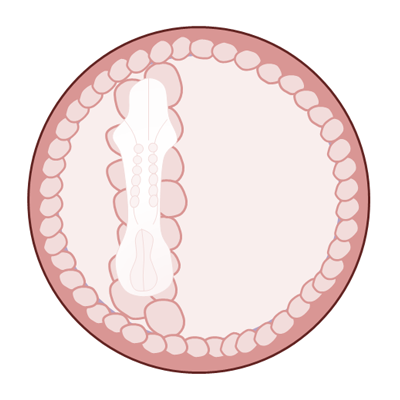
Week 1-2
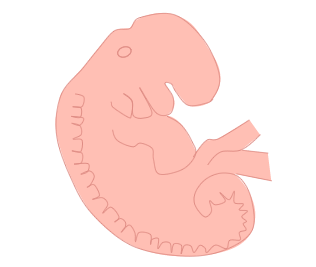
Week 2-4
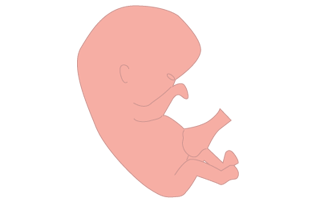
Week 4-8
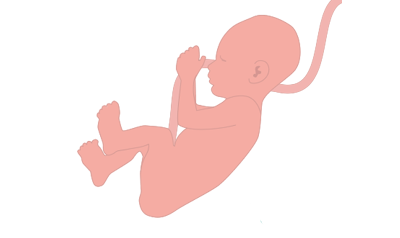
Week 8-24
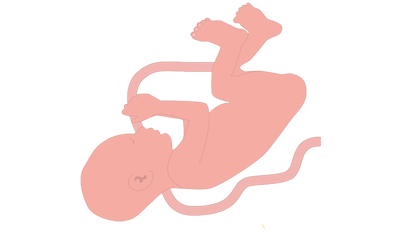
Week 24-34
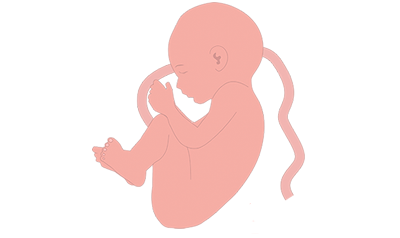
Week 40 of pregnancy
|
Week 1-2 |
Week 2-4 |
Week 4-8 |
Week 8-24 |
Week 24-34 |
Week 40 of pregnancy |
|
Week 1-2 |
Week 2-4 |
Week 4-8 |
Week 8-24 |
Week 24-34 |
Week 40 of pregnancy |
Week 1-2
The germ layers start to form the nervous system of the embryo. A vital stage in this process is the formation of a hollow tube called the neural tube that will go on to form the spinal cord and brain.
At the same time, the outer layer of the blastocyst develops small projections, known as villi that burrow into the uterine wall. This is the start of the development of the placenta which will eventually provide the vital support link between the mother's circulation and the baby.
Week 2-4
By week 4 of gestation, the embryo has developed a rudimentary brain and spinal cord and also a set of blood vessels and heart. The heart starts to beat around day 21 of gestation, but it is only a single chamber at this stage and will continue to develop its four separate chambers. The limb buds are also present by the end of week 4.
Week 4-8
As development moves from the germinal phase to the embryonic phase, the embryo's organs continue to develop. At the end of week 8 of gestation, all organs are present in at least a rudimentary form, although none of them are fully functional.
Week 8-24
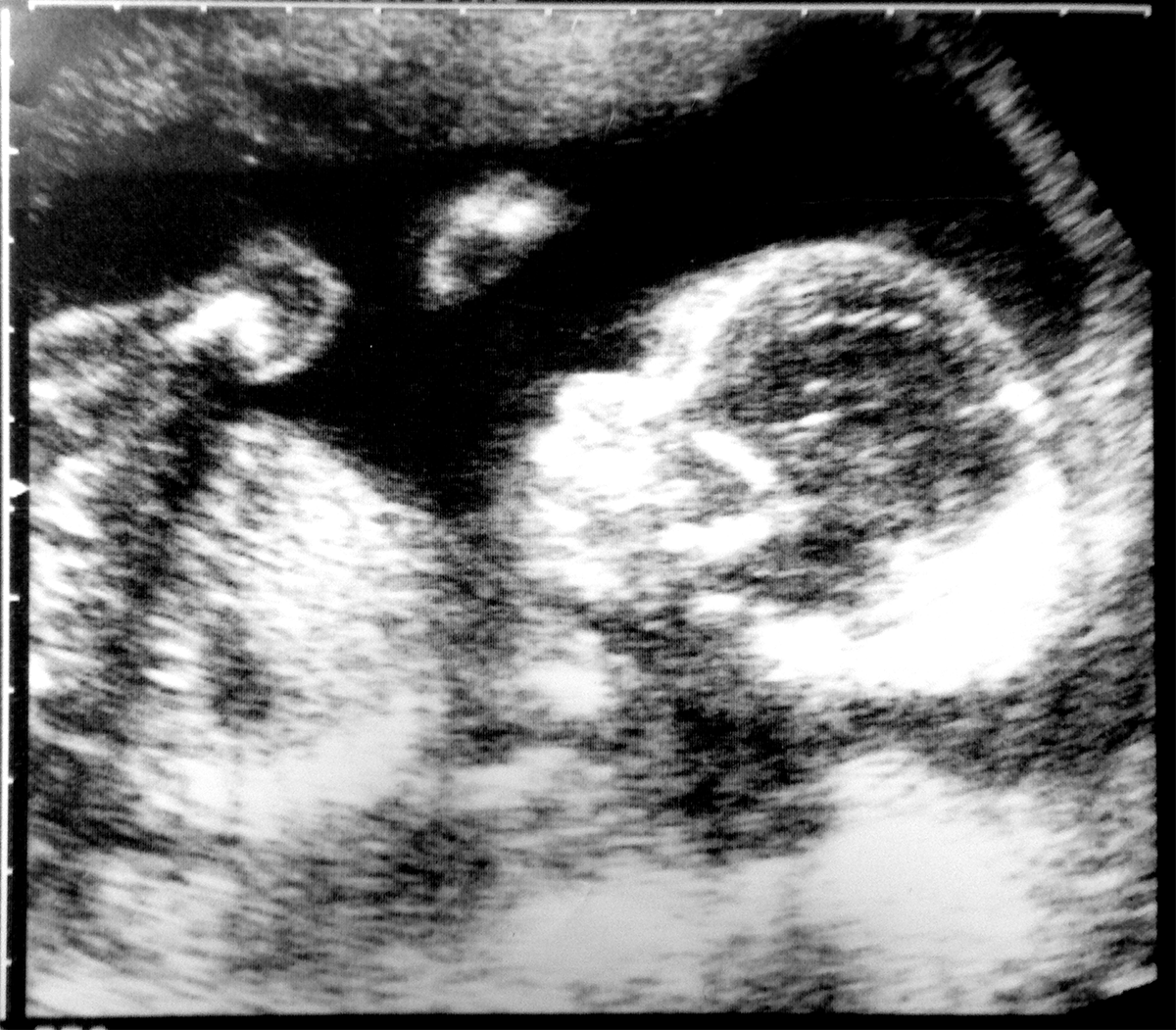 The foetal phase starts at the end of week 8. During this time, the body's organs and tissues continue to grow and will start to work. The foetus will grow in length through the second trimester to 24 weeks gestation.
By 24 weeks gestation, the foetus will have developed sufficiently that it is possible for the baby to be born and to be viable or live outside the mother's uterus. This is only possible because the last body system to develop functionality, the respiratory system, starts to develop its functionality around weeks 21-23. Currently the earliest known live birth of a baby who survives into childhood is a baby born around 22 week's gestation.
Week 24-34
Although a baby born around 23 weeks may be able to breathe, before week 24 the lungs are not usually sufficiently developed to be able to maintain breathing. A baby born this early will require support with their breathing and usually other body systems as well. This typically means admission onto a neonatal intensive care unit until they are able to cope without extra support with breathing and feeding.
Week 40 to Pregnancy
By week 34 of pregnancy, most foetuses have developed alveoli within the lungs. Both these and the smaller airways are coated with a substance called surfactant that prevents them collapsing during breathing. The foetus will also have developed an ability to suck effectively and to take feeds. A layer of adipose tissue develops across the back between the shoulders around this time. As newborn babies are unable to shiver they use this fat to help maintain their temperature.
Be aware
A woman may only start to realise pregnancy has occurred when a period is missed. Given that conception occurs usually 14 days into a normal menstrual cycle, it can mean the embryo is 2-3 weeks old at the point she realises. By this point, the embryo may already have a heart-beat.
Be aware
The age of viability in the UK is currently set at 24 weeks gestation. This means that a medical abortion can occur up to this age of development.