PEC-MASLD Study
The Impact of Pectin Supplementation on Systematic Inflammation Pathway, Gut Microbiome, and Metabolic Health in Patients with Metabolic Dysfunction-Associated Steatotic Liver Disease (MASLD): A Randomised, Placebo-Controlled, Dietary Intervention Study.
Exploring the Impact of Pectin on Liver Health in patients with MASLD.
Fatty liver disease is a common condition affecting people worldwide. Its medical name is Metabolic Dysfunction-Associated Steatotic Liver Disease (MASLD). It happens when fat builds up in liver cells, which can cause inflammation, scarring, and in some cases more serious liver problems.
Pectin is a type of soluble fibre found naturally in fruits like apples, peaches, oranges and grapefruits. Research suggests that pectin may help reduce inflammation and support a healthy balance of gut bacteria when consumed daily.
This study is investigating whether a daily supplement of pectin, can help reduce inflammation in people with MASLD. Over six weeks, participants will receive either a pectin-based or placebo shake to observe any changes in inflammation, liver health, gut function and metabolism.
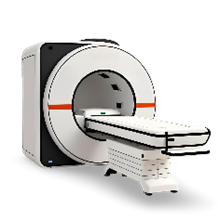
The study also uses MRI scans to assess the potential benefits of pectin on gut permeability. This research aims to deepen our understanding of how diet can support better liver health in MASLD patients.This will be part of a study PHD project.
Information about taking part in our research study:
We are currently recruiting participants for this study at the Queens Medical Centre, Nottingham.
For further information, please contact Noor Al-Tameemi (noorkifahabdulhussein.al-tameemi@nottingham.ac.uk).
We are inviting participants aged 18 and over who have been clinically diagnosed with Metabolic Dysfunction-Associated Steatotic Liver Disease (MASLD) within the last 6 months.
We are inviting 30 participants to take part.
What will I be asked to do?
A trained member of the local research team from the University of Nottingham will contact you to attend a screening visit at the research centre at the Queens Medical Centre.
Visits and Procedures:
Screening Visit (1 hour): We will ask for your informed consent and you will need to answer some questions about your illnesses and current medications, a member of the research team will also screen your medical notes if they are available. A qualified member of the study team will also perform a Fibroscan to check your liver health (this is like an ultrasound and is non-invasive). If you are eligible, we will schedule an onsite study appointment and you will be given a stool collection kit.
Baseline Visit (Week 0, 2 hours): You will be asked to provide a stool sample, which you should collect at home either the night before or on the day of your visit. Our team is collecting this to record the composition of the bacteria inside your gut. Upon your arrival at the research unit, a trained member of staff will collect 4 small bottles of fasting blood samples to measure your fat, cholesterol and glucose levels and liver enzymes. Then you will have your height, weight, waist/hip ratio, and blood pressure measured. Optional MRI scans may be done at this visit.
Dietary supplement: At your first visit, you will be randomly assigned to group 1 or 2. One of these groups is the intervention and one is the placebo (dummy) but neither you nor the researchers will know which you have until the end of the study. The intervention group will take 15g of pectin fibre with 15g of whey protein powder and 5g of cocoa powder added as a flavour, the control group take 35g of placebo containing 30g of whey protein powder and 5g of cocoa powder added as a flavour. You will be asked to take either of the supplements once daily for 6 weeks (42 days).
Tracking: You will be given a tracker with 42 boxes and will be asked to tick off each day to confirm that the recommended drink has been taken. You will also have a weekly phone call with our researcher to record side effects/feedback.
Final visit (Week 6, 2 hours): You will be asked to bring a stool sample and we will repeat blood tests, Fibroscan and baseline visit measurements. If you agreed to MRI scans, a second scan will be performed.
Will I be paid to participate in the study?
You will receive an inconvenience allowance of £10 after completing the follow-up visit.
Participants who agree to having 2 MRI scans will receive £120 inconvenience allowance after completing the second MRI visit.
If you withdraw from the study for medical reasons associated or not associated with the study, you will receive an inconvenience allowance proportional to the length of the period of participation. However, if you withdraw for any other reason, the inconvenience allowance to be received, if any, shall be at the discretion of the investigator
Travel and parking expenses (up to £10) will be offered for any visits incurred as a result of participation.