The preoperational stage of intellectual development
Piaget stated that cognitive development is stage-like in nature. He called the stage from 2 to 7 years the preoperational stage, and uses the word operation to mean logic. He argued that children of this age did not reason in the same way that adults do. They are only in the first steps of using language and applying abstract ideas. They are not very good at reasoning and working things out in their heads.
There are 2 substages within Piaget's preoperational stage. The first is known as the preconceptual phase and occurs between 2 and 4. Whilst the child has some language at the beginning of this stage, they make logic mistakes. For example, the family cat has 4 legs so everything with 4 legs must be a cat. The defining characteristic of this stage is curiosity and the use of symbols. They use symbols in play, which means they use objects to represent other things or people, for example holding a pretend tea party with teddies and soft toys instead of people.
The child at this age will tend to be egocentric and see everything from their own point of view. They also tend to believe that even inanimate objects are conscious. So, when they bang their head they will say "naughty table" or think the flowers are sad because they are drooping. Children at this stage show egocentrism, irreversibility and centration.
The next substage of the preoperational stage is from 4 and this is called the intuitive thought phase. Here, the child will show a growth of curiosity and basic reasoning. However, they still have errors in their reasoning and will think that one particular event is linked to another, so will say "I haven’t had my nap so it isn’t afternoon" or "Mummy has a red car so all cars are red".
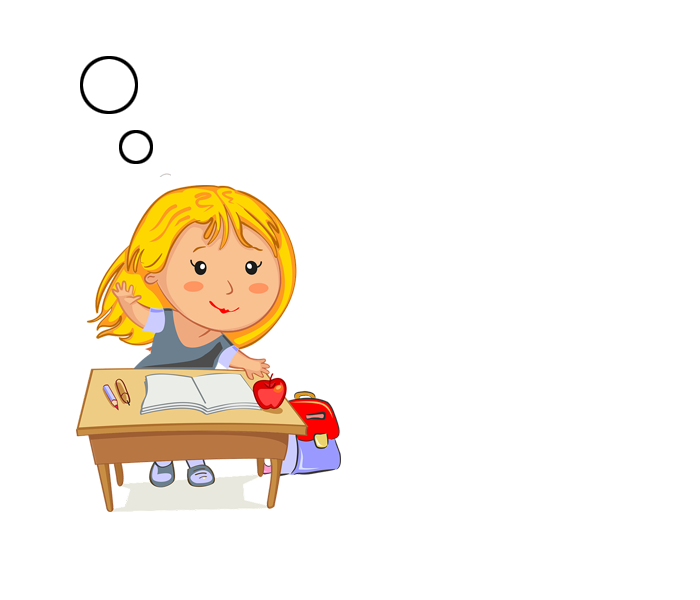
Select the coloured balls to learn about Milly's early logical thinking.

Egocentric Thinking: Children think they are the centre of everything; "Why does the sun shine?" To keep me warm or "I’m tired", therefore its getting dark.
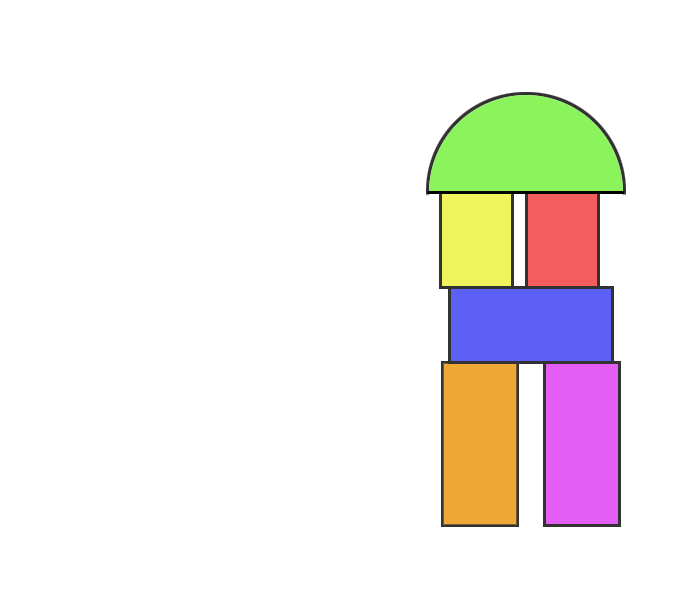
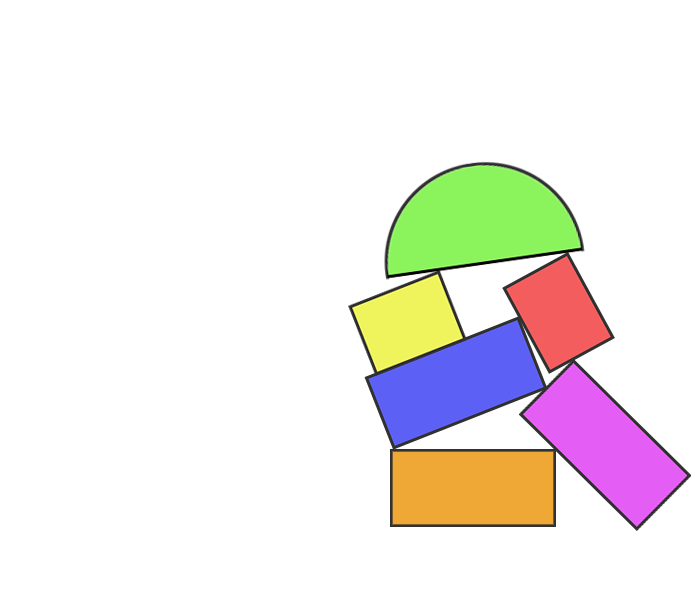
Irreversability: Children think in a logical order, but cannot reverse the order. Milly is very, very upset when her tower falls down because she can't imagine it being rebuilt. "Oh no! My tower is gone forever."
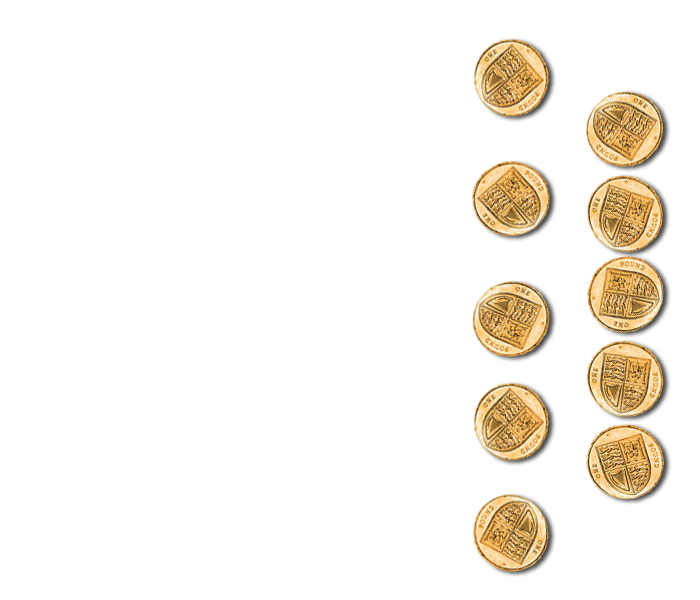
Centration: Children focus on one aspect of something and exclude other aspects. For example when looking at two lines of equally numbered coins the child thinks the longest line of coins is the one that has the most coins in it.