Equilibrium
When a child is able to explain the world with their existing schemes, they are said to be in equilibrium.
The process of equilibration promotes progression towards increasingly complex thought. Equilibrium is the state when leaners can explain new events with existing schemes. The term disequilibrium refers to the discomfort or cognitive conflict a child or adolescent feels when they realise that 2 views they hold about a situation can't possibly be both true.
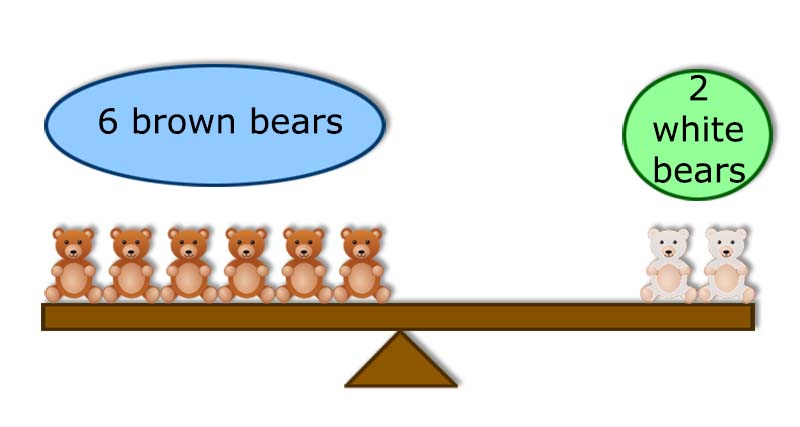
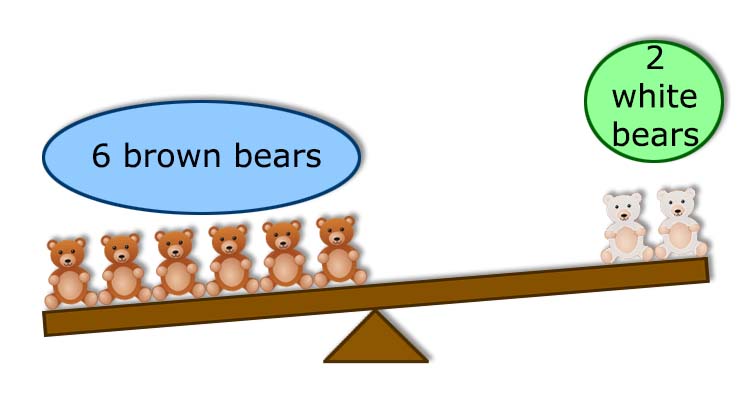
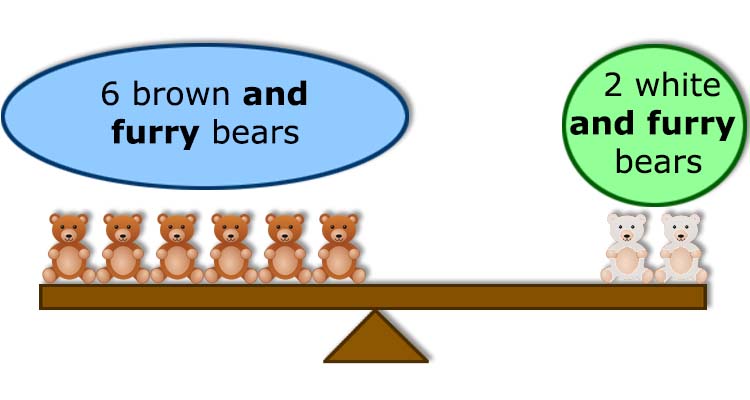
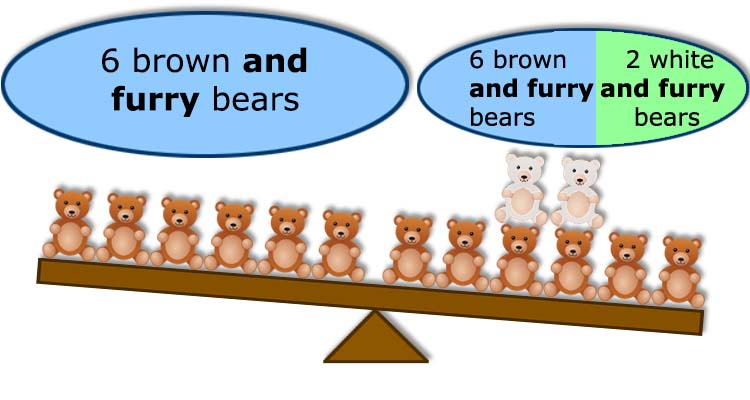
Equilibration is the movement back and forth between equilibrium and disequilibrium. For example a preschooler has a pile of furry, soft toys. 6 are brown and 2 white. If we asked the child, "Are there more brown toys or more furry toys?" and she replies "more brown toys" and is perfectly comfortable with that answer, she's in equilibrium. Obviously, she is having trouble thinking of the brown toys as belonging to 2 categories, brown and furry. However, if we then count out the brown versus the furry toys and she recognises the inconsistency in her reasoning, she will experience disequilibrium. At this point, the child may reorganise her thinking to accommodate the idea that soft toys can be both brown and furry.
Piaget’s assumptions about how children of this age learn have been tested and underlie many practices in preschool and early years education.
Child is asked, "Are there more brown toys or more furry toys?" Select each definition for more information.
Equilibrium: The child says there are more brown toys. She is happy with that answer demonstrating she is in equilibrium.
Assimilation: The child becomes aware that something isn’t quite correct in her thinking. This is the mental process by which the child fits new information or events into an existing schema. This results in disequilibrium.
Accommodation: The child starts to develop new thinking about the toys. Apart from colour there is an extra category which is furry. She assimilates this and adjusts her ideas and organises a new understanding . Assimilation is a cognitive process that manages how we take in new information and incorporate that new information into our existing knowledge.
Schema: The child realises the inconsistencies and re-organises her thinking to accommodate the idea that soft toys can be both brown and furry. This is the creation of a new schema, or the modification of an existing one, when new information cannot be assimilated into the existing schema.