Neurobiology
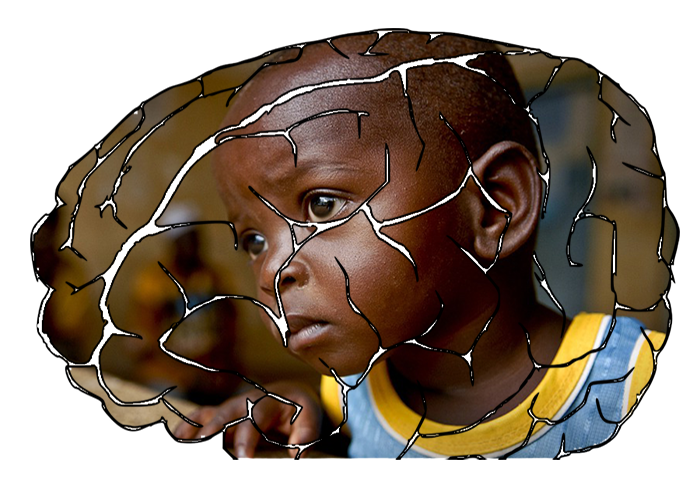
Underlying intellectual development are continual changes in the brain.
Intellectual development appears to be closely associated with the number of connections, or synapses, between the brain cells not just the number of brain cells themselves.
By 2 years of age a toddler's brain contains well over a hundred billion synapses. The number of connections remains at this overabundant level in all areas of the brain in 2 year olds. When presented with new information, new connections form. Using a neural pathway strengthens it and the more it is used the stronger the connections become. However, those that are less used get pruned away as intellectual abilities develop.
So the synapses necessary to speak Welsh will only get used if the child is born, or grows up amongst Welsh speakers. If the nerve coordination and muscle combinations don’t get the opportunity to fire together to speak Welsh they will get weaker over time. This pruning is the key to the brain's plasticity. Plasticity refers to the ability of the brain to change in response to internal and external stimuli. Of course, a great deal of learning goes on after the first 3 years of life. It’s not impossible to learn Welsh as an adult but it might be a little harder.
Be aware
As a result of continued visual stimulation the connections between the eyes and the brain, which are essential to the development of normal vision, are constantly forming between 4 weeks and 8 years of age. This is known as the critical period for visual development. If a baby over 8 weeks of age, or a child at any age has a squint they need to be referred.