Wednesday, 28 January 2026
Brain tumour patients and their families from across the East Midlands are gathering today (Wednesday 28 January) to mark the launch of a new research centre focused on finding a cure for the devastating disease.
They will be joined by politicians, civic dignitaries, charity leaders and scientists for the launch of the new Brain Tumour Research Centre of Excellence at the University of Nottingham.
A £2.6 million investment from the charity Brain Tumour Research will see researchers embark on a world-first study to understand and treat glioblastoma – a deadly brain cancer with an average prognosis of just 12 to 18 months. By combining advanced brain imaging, genomic analysis and artificial intelligence, the team aims to identify the earliest signs of tumour recurrence and uncover new drug targets that could allow for earlier, more personalised treatment approaches.
Among those attending the event will be fitness influencer Shane Cromer, 35, from Nottingham, who is now facing the fight of his life after he was diagnosed last year with a rare and aggressive brain tumour. He first experienced months of fatigue, headaches and double vision before scans and a biopsy at Queen’s Medical Centre revealed multiple tumours across his brain.
Shane, a father of one, said: “Before my diagnosis, life was busy in a good way. I was newly married, raising my 20-month-old son, and working in an industry built around health and fitness, so being told I had a brain tumour came as a complete shock.
“Since then, I’ve had radiotherapy and I’m now being assessed for a clinical trial, but the reality is that treatment options for brain tumours like mine are limited. That’s why the opening of this new research centre in Nottingham means so much. Knowing there are scientists working here to better understand brain tumours and to develop more personalised treatments gives me hope, not just for myself, but for other families who may face this devastating diagnosis in the future.”
The complex, diverse and aggressive nature of glioblastoma tumours make them notoriously difficult to treat, and treatment options have changed little in decades. Even after surgery and treatment with radiation and chemotherapy, cancer cells remain in the brain, leading to tumour regrowth and leaving patients with very limited options once the disease returns.
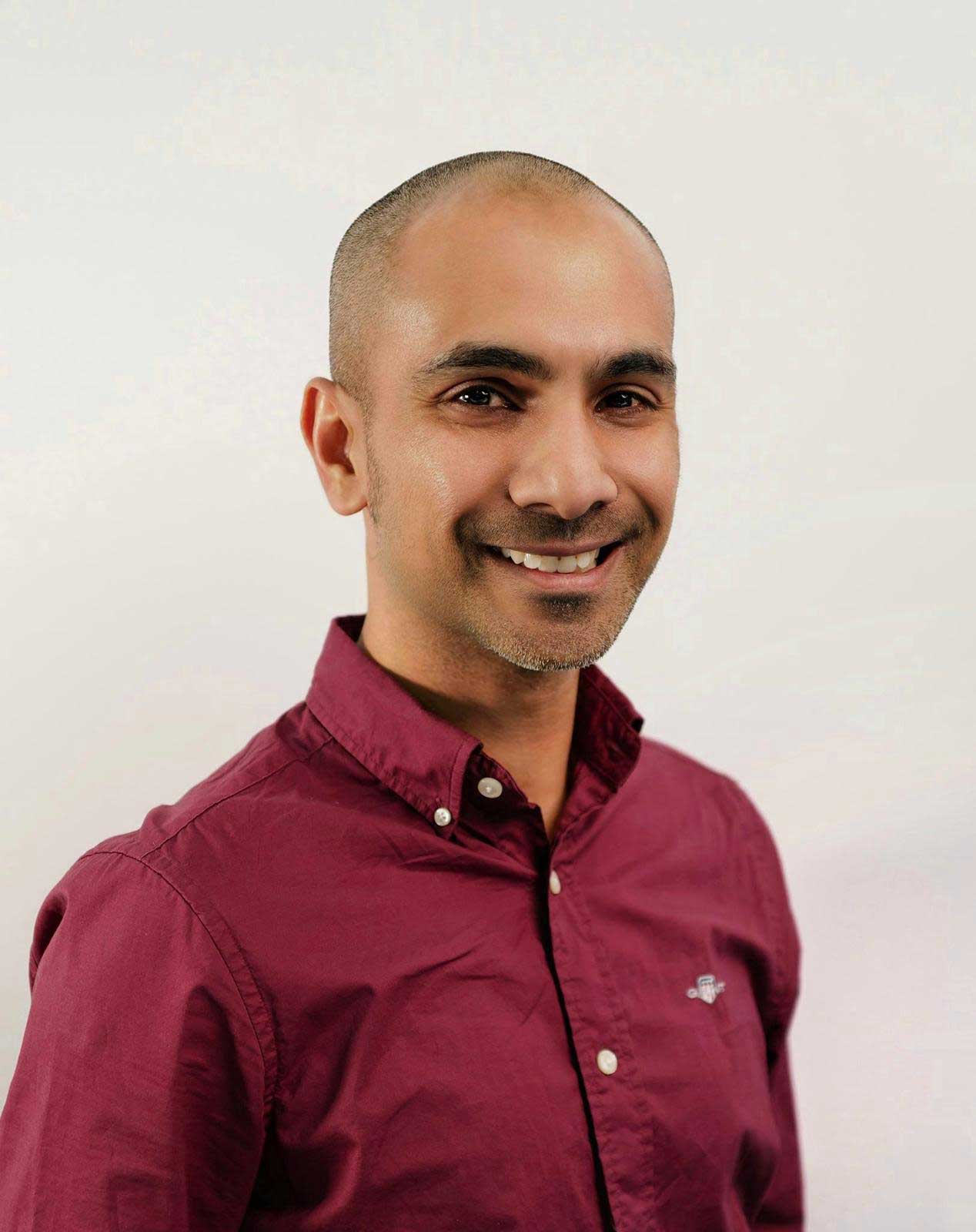 Professor Ruman Rahman, Principal Investigator at the Nottingham Centre of Excellence, from the School of Medicine at the University
Scientists at the Centre are particularly focused on studying cancer cells at the infiltrative margin – the very edge of the tumour – which are believed to drive recurrence. By strengthening understanding of this tumour area and refining predictive models, the Centre aims to improve the likelihood that new treatments will succeed in clinical trials and ultimately benefit patients sooner.
Professor Ruman Rahman, Principal Investigator at the Nottingham Centre of Excellence, from the School of Medicine at the University, said: “Glioblastoma is a hugely aggressive cancer that devastates lives. We need to change the story for patients. Through this Centre, and working closely with the NHS, we will combine advanced brain imaging that goes beyond routine scans with detailed genomic analysis to pinpoint the earliest biological signs that glioblastoma is returning. Our goal is to identify personalised drug treatments to improve survival and quality of life.”
Brain tumours are indiscriminate; they can affect anyone at any age and kill more children and adults under the age of 40 than any other cancer. Yet just 1% of the national spend on cancer research has been allocated to brain tumours since records began in 2002.
Dan Knowles, Chief Executive of Brain Tumour Research, said: “Seeing patients, families, researchers, and supporters come together for the launch of the Nottingham Centre of Excellence is incredibly powerful. This Centre represents exactly what our supporters’ fundraising makes possible, world-class research with a clear focus on improving outcomes for patients.
“We are bridging the gap between scientific discovery and real patient benefit. The Nottingham Centre strengthens our national network and brings us closer to our ultimate goal of finding a cure for all brain tumours.”
Professor Jane Norman, President and Vice-Chancellor of the University of Nottingham, said: “I am honoured to meet with the staff, patients, supporters and researchers at the launch of this groundbreaking new Brain Tumour Centre of Excellence. This significant investment from Brain Tumour Research will enable Nottingham scientists to continue with their work to find effective treatments and to improve survival rates for patients suffering from this indiscriminate disease. Being able to tour the labs and see the extraordinary work taking place has been fantastic and I look forward to seeing the world-changing research still to come from them.”
Brain Tumour Research funds sustainable research at dedicated centres in the UK. It also campaigns for the Government and larger cancer charities to invest more in research into brain tumours in order to speed up new treatments for patients and, ultimately, to find a cure. The charity is the driving force behind the call for a national annual spend of £35 million in order to improve survival rates and patient outcomes in line with other cancers such as breast cancer and leukaemia.
Notes to editors:
About the University of Nottingham
Ranked 97 in the world and 17th in the UK by the QS World University Rankings, the University of Nottingham is a founding member of Russell Group of research-intensive universities. Studying at the University of Nottingham is a life-changing experience, and we pride ourselves on unlocking the potential of our students. We have a pioneering spirit, expressed in the vision of our founder Sir Jesse Boot, which has seen us lead the way in establishing campuses in China and Malaysia - part of a globally connected network of education, research and industrial engagement.
Nottingham was crowned Sports University of the Year by The Times and Sunday Times Good University Guide 2024 – the third time it has been given the honour since 2018 – and by the Daily Mail University Guide 2024.
The university is among the best universities in the UK for the strength of our research, positioned seventh for research power in the UK according to REF 2021. The birthplace of discoveries such as MRI and ibuprofen, our innovations transform lives and tackle global problems such as sustainable food supplies, ending modern slavery, developing greener transport, and reducing reliance on fossil fuels.
The university is a major employer and industry partner - locally and globally - and our graduates are the third most targeted by the UK's top employers, according to The Graduate Market in 2024 report by High Fliers Research.
We lead the Universities for Nottingham initiative, in partnership with Nottingham Trent University, a pioneering collaboration between the city’s two world-class institutions to improve levels of prosperity, opportunity, sustainability, health and wellbeing for residents in the city and region we are proud to call home.
More news…