Thursday, 07 August 2025
A new childhood cancer awareness campaign, Child Cancer Smart, has been launched today by CCLG: The Children & Young People’s Cancer Association and researchers at the University of Nottingham, aiming to speed up diagnosis and improve survival for children and teenagers with cancer.
Childhood cancer is the leading cause of death by disease for children and young people in the UK. Improvements are urgently needed across childhood cancer care, including in diagnosis, to save more young lives.
The Child Cancer Smart campaign, funded by CCLG, is based on the university-led Childhood Cancer Diagnosis Study that investigated the referral and diagnosis of nearly 2,000 UK children diagnosed with cancer between September 2020 and March 2023.
The team found that over half of these patients waited more than a month for diagnosis, presenting with an average of four symptoms by the time of diagnosis. Among those with the longest time to diagnosis were teenagers (aged 15-18), who took just under 9 weeks to be diagnosed, and those with bone tumours, who took over 12 and a half weeks.
Now, the Child Cancer Smart campaign is using these findings to develop guidelines for primary healthcare professionals, such as GPs, and advice for the general public in the hopes of improving and speeding up diagnosis.
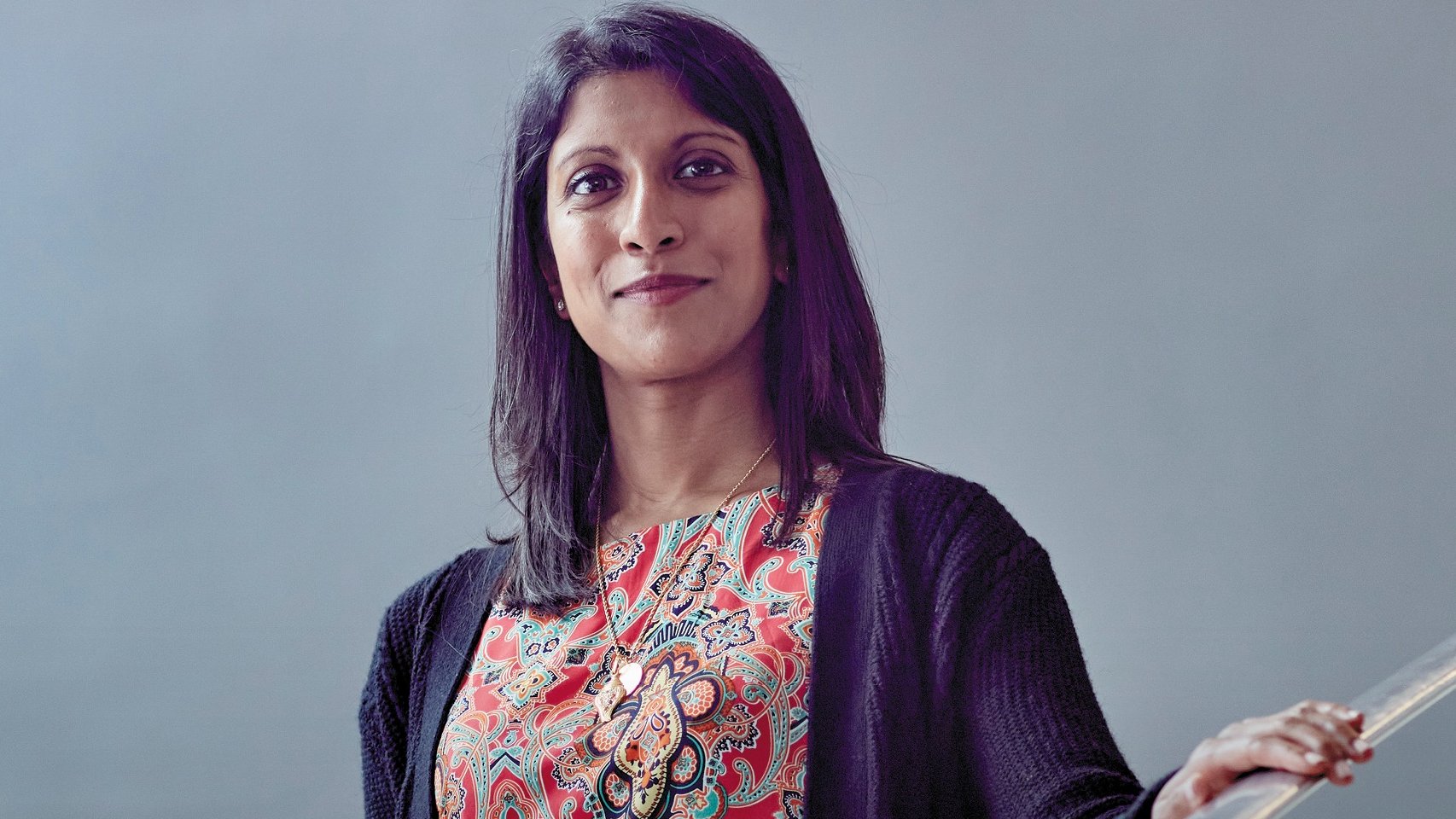 Dr Shaarna Shanmugavadivel
Dr Shaarna Shanmugavadivel, Paediatric Emergency Medicine doctor and Child Cancer Smart Research Fellow, in the School of Medicine at the University of Nottingham, said: "We want children and young people with cancer to be identified as early as possible, which means optimising every part of the journey to diagnosis – from young people and parents noticing and acting on symptoms, to healthcare professionals investigating the right children and making timely referrals.
“GPs are often the first point of contact when a child is unwell, but diagnosing cancer can be challenging when symptoms overlap with many more common conditions. The key is the pattern - persistence and progression of a spectrum of symptoms.
“With this campaign, we aim to provide clear, practical guidance to help clinicians, while empowering the public with awareness of the symptoms to look out for.”
Child Cancer Smart has a clear message for doctors: “Could it be cancer? Three persistent symptoms, three visits, or three weeks of unexplained symptoms. Pick up the phone.”
The full list of symptoms, shared today on the CCLG website and identified through the Childhood Cancer Diagnosis Study, will soon be accompanied by evidence-based referral guidelines for different childhood cancers, free e-learning modules hosted by CCLG, and decision-making tools to help healthcare professionals understand what tests and scans might be needed.
In 2019, 17-year-old Ruby was diagnosed with an aggressive type of lymphoma after seven GP visits. By then, there was a large tumour in her chest, and chemotherapy was not able to save her. Just under a year later, in June 2020, she died at home surrounded by family. Her mum, Emma, said: “We all know that treatment outcomes change if they can 'catch it early'. So, prolonged diagnoses reduce the chance of survival. It also causes huge stress to the child and their family when, in our case, they are convinced there is something very wrong but no-one is taking it seriously.
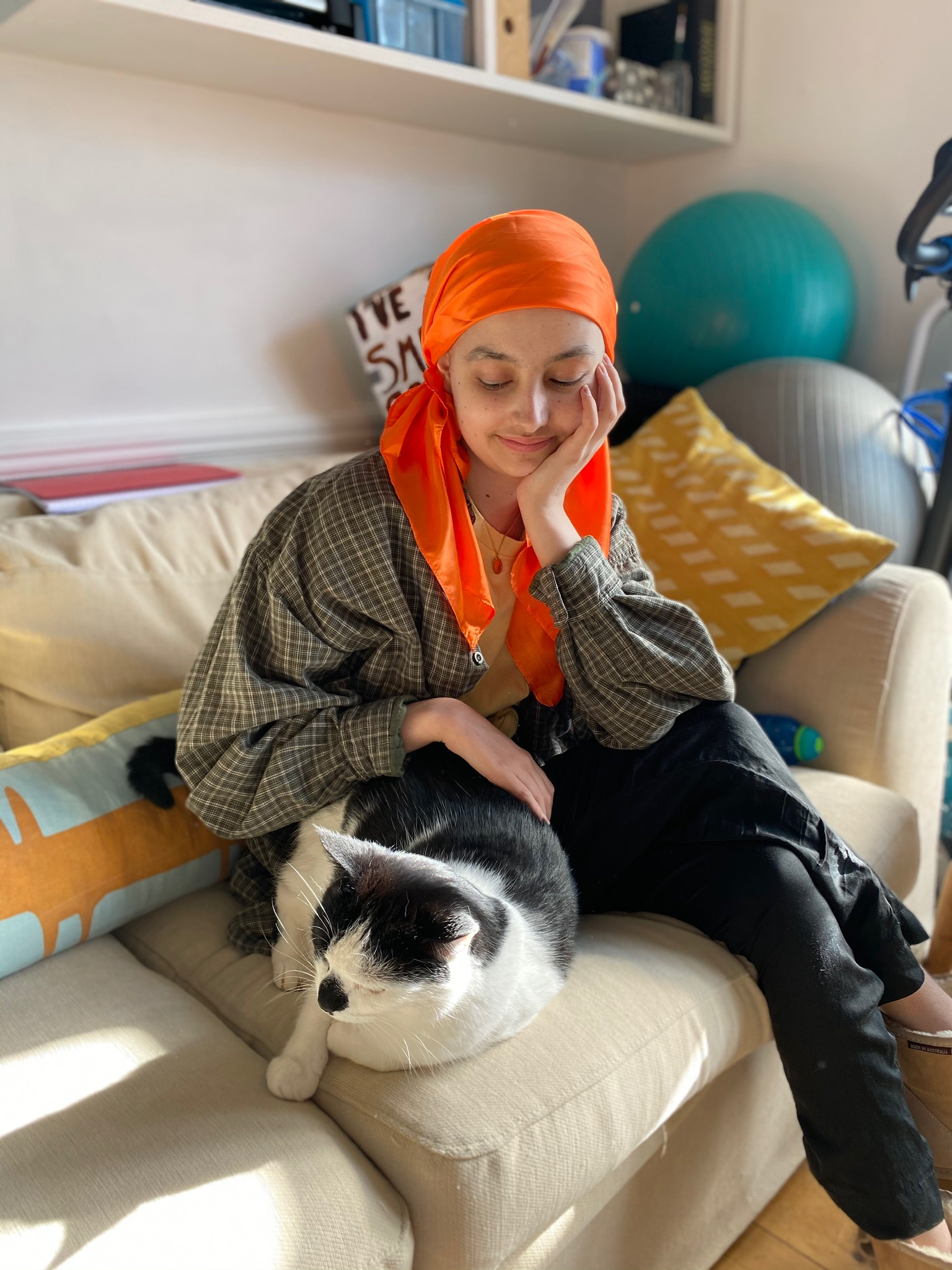 Ruby
Ruby
“For families, I think greater awareness (of the symptoms) would give greater confidence in seeking help, and for professionals it should help with quicker referrals to the right kind of treatment, and in so doing, improve the chances of survival for young people with cancer.”
NHS doctor and TV personality Dr Amir Khan, the ambassador for Child Cancer Smart, said: "We're raising awareness among families and all healthcare professionals who see children and teenagers, including GPs, A and E staff, and it's all to help them recognize the signs and symptoms of cancer and know when to get checked out or when to make a referral."
He asks for healthcare professionals to remember to "make a referral to the local on-call paediatrician", when they see children with " three persistent symptoms" that have "visited their doctor three times or has had three weeks of unexplained symptoms”.
Alongside the education for GPs is a public awareness campaign, telling parents and the public: “If it doesn’t feel right after two weeks, trust your instincts – see a doctor.”
Ashley Ball-Gamble, Chief Executive of CCLG and co-author of the Childhood Cancer Diagnosis Study, said: “We want this campaign to empower parents and families to get the answers their child needs, and feel reassured that all diagnoses are being considered.
“We know that childhood cancer shares many symptoms with more common illnesses, but most of these illnesses clear up within a couple of weeks. So, if symptoms don’t go away after two weeks or something doesn’t feel right, it’s time to talk to a doctor.”
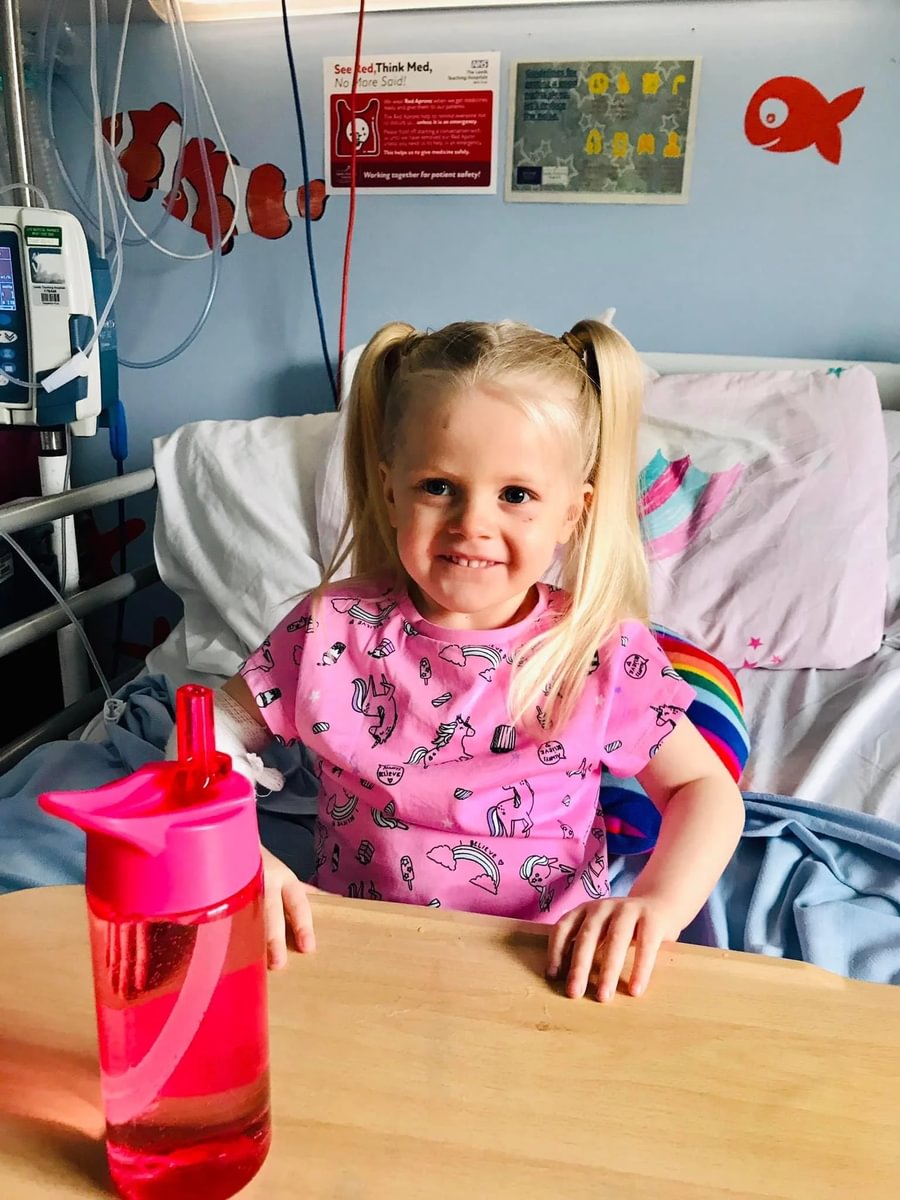 Matilda
Hannah Longstaff’s daughter Matilda was diagnosed with cancer in 2022. When Matilda was just three years old, Hannah noticed that a cluster of symptoms, such as tiredness, leg pain, unexplained bruising and several coughs and colds.
Trusting her instinct that “something wasn’t right”, Hannah took Matilda to the GP. Within 30 hours, Matilda was diagnosed with B-cell acute lymphoblastic leukaemia and had started treatment. Now, one year post-treatment and with the all clear, Matilda is doing “incredibly well”.
Hannah said: “Early diagnosis of childhood cancer in children like Matilda is vital because it significantly improves survival rates and reduces the risk of serious complications. Catching the disease early allows treatment to begin before it progresses, often resulting in a better response to therapy and fewer long-term side effects.
“I feel that educating GPs and families through the Child Cancer Smart campaign can therefore make a powerful difference in the lives of children and young people.”
Information on childhood cancer and Child Cancer Smart can be found on the CCLG website.
Story credits
More information is available from Dr Shaarna Shanmugavadivel in the School of Medicine at dhurgsharna.shanmugavadivel@nottingham.ac.uk
About CCLG: The Children & Young People’s Cancer Association
We are CCLG: The Children & Young People’s Cancer Association, a charity dedicated to creating a brighter future for children and young people with cancer. Powered by expertise, we unite the children and young people’s cancer community, driving collective action and progress.
Research is the key to better treatments, improved care, and potential cures. We fund and lead world-class research, fuelling groundbreaking work led by brilliant minds. Collaboration is at the heart of our approach — bringing together the right people and organisations to drive progress and deliver real impact.
We provide trusted information and guidance for children and young people with cancer, their families, and everyone supporting them. Our expertise helps them navigate the challenges of cancer and its impact, offering reassurance and clarity when it’s needed most.
Through our professional membership, we bring together the brightest minds in childhood cancer, creating a national network that drives progress. Together, we shape better treatment and care — developing guidelines, sharing knowledge, offering expert advice, leading pioneering research, and creating essential resources and education for professionals. Our collective expertise sets the standard, advocating for excellence at every level — local, national, and global.
Notes to editors:
About the University of Nottingham
Ranked 97 in the world and 17th in the UK by the QS World University Rankings, the University of Nottingham is a founding member of Russell Group of research-intensive universities. Studying at the University of Nottingham is a life-changing experience, and we pride ourselves on unlocking the potential of our students. We have a pioneering spirit, expressed in the vision of our founder Sir Jesse Boot, which has seen us lead the way in establishing campuses in China and Malaysia - part of a globally connected network of education, research and industrial engagement.
Nottingham was crowned Sports University of the Year by The Times and Sunday Times Good University Guide 2024 – the third time it has been given the honour since 2018 – and by the Daily Mail University Guide 2024.
The university is among the best universities in the UK for the strength of our research, positioned seventh for research power in the UK according to REF 2021. The birthplace of discoveries such as MRI and ibuprofen, our innovations transform lives and tackle global problems such as sustainable food supplies, ending modern slavery, developing greener transport, and reducing reliance on fossil fuels.
The university is a major employer and industry partner - locally and globally - and our graduates are the third most targeted by the UK's top employers, according to The Graduate Market in 2024 report by High Fliers Research.
We lead the Universities for Nottingham initiative, in partnership with Nottingham Trent University, a pioneering collaboration between the city’s two world-class institutions to improve levels of prosperity, opportunity, sustainability, health and wellbeing for residents in the city and region we are proud to call home.
More news…