Temperament and inheritance
Temperamental differences may be the raw building blocks, but they can be modified or even radically changed as the child develops a self-concept and internal model of self. A large body of research shows that, to some extent, we inherit temperamental differences such as shyness, sociability, a predisposition to fear or anger or a capacity for pleasure. This does not mean that these characteristics are fixed but may suggest that different styles of coping might be more suited to some rather than others.
Be aware
In some countries and cultures there may be more of an emphasis on a style of behaviour that favours children who are quiet and obedient, whereas others value assertiveness and individuality more highly. How and when people express emotions are often referred to as 'display rules'.
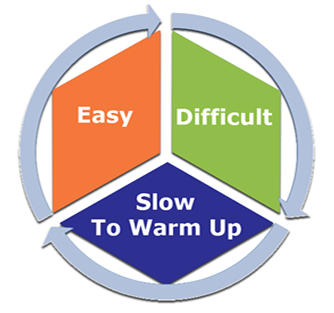
Select each section on the diagram below to learn more.
Temperament in action
'Easy' temperament: a baby who likes to be cuddled and enjoys lots of contact from the carer is more placid and easier to look after. About 40% of babies appear to fall into this category. They will adapt well to different forms of day care.
'Difficult' temperament: some babies will actively resist being hugged even when tired or ill. It may mean they are just more active and restless than most.
'Slow to warm up': a baby who wants to be cuddled by only a few special, trusted people. As toddlers, they watch what others are doing until they feel comfortable enough to join in. They may have a difficult time with changes in child care or responding to relatives and friends who are not part of their daily life.