The body at work: imaging multiorgan physiology and metabolism
Human anatomy, metabolism and physiology embody the science of human life. They help us to understand how the body works in healthy people across the life course, including how it responds and adapts to the challenges of everyday life, and what goes wrong in acute and chronic disease. Such novel understanding facilitates the development of new interventions, treatments and guidelines for maintaining human health and wellbeing.
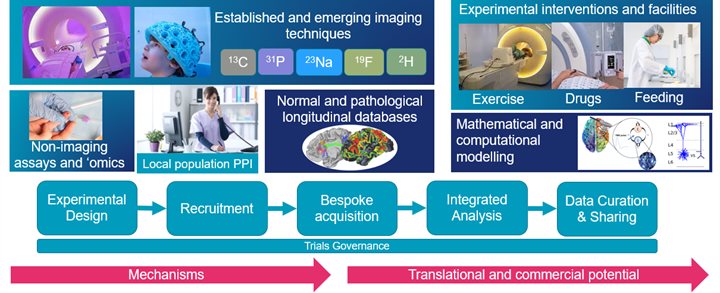
MRI is an ideal tool for measuring morphology, metabolism and physiology non-invasively in humans, which can be pooled to bring unprecedented understanding. We use it to measure a wide range of physiological parameters, from organ structure to blood flow, to biochemistry in vivo in people. The ability to study multiple organs, sometimes simultaneously, is valuable in studying multimorbidity and multi organ effects of disease, for instance brain injury that can result from liver disease, or the interactions between the heart and kidneys in renal disease. Importantly, we look at how organs respond acutely and/or adapt over time to challenges such as eating food, to exercise, in healthy people and in people with disease.
Prominent research