Biotechnology

BSc Hons UCAS Code

Course overview

Biotechnology is where biology meets innovation. It’s the science of redesigning life at the molecular level. From modifying genes and engineering cells to creating solutions that transform health, food and the environment. If you want a career that tackles global challenges and drives real change, this is your gateway.

Biotechnologists are problem-solvers for the planet. They develop life-saving medicines, engineer crops to feed a growing population and create cleaner biofuels to fight climate change. 

On this course, you’ll choose the aspects of biotech that interest you the most. You can study modules relating to:

  • Microbial Biotechnology: Discover how microorganisms become tiny powerhouses, producing next-generation drugs, sustainable fuels and even cleaning up pollution.
  • Plant Biotechnology: Design crops for the future – stronger, more nutritious and naturally resistant to disease, ensuring food security for billions.
  • Animal Biotechnology: Explore genetics and physiology to improve animal health, pioneer new treatments and advance sustainable farming.

You’ll master cutting-edge topics like gene editing, molecular pharming, protein expression and the ethics shaping biotechnology’s future.

Why choose this course?

Teaching and learning

Modules

Core modules

7 modules

An Introduction to Biotechnology

The aim of the module is to introduce you to the broad based biotechnology discipline. You will study plants, animals and microbial systems and the impact and ethics of biotechnology in different sectors. An active learning approach is coupled with tutorials to understand the impact of the discipline. 


Foundation Science for Bioscientists

This module covers essential topics in the following scientific areas:

  • physics - radiation, thermal methods, units and measurements
  • chemistry - moles and atoms, organic chemistry, thermodynamics 
  • mathematics - equations, functions, logs and exponentials and graphical representations
  • statistics - mean, standard deviation, standard statistical tests and biases in data

Scientific Skills and Practice

This module is intended to enhance your transition into university and guide you through the academic expectations of your degree. This module includes three generic sessions on ‘study skills and plagiarism’, ‘study opportunities’ and ‘career and personal development’, and a series of small group tutorials with your academic tutor. This willdevelop core skills such as finding crucial information, oral presentation, data handling and presentation of results, preparation for examinations, and essay writing skills all of which are relevant to biosciences.


Introduction to Plant Science

How can mutant plants be used to improve crop yield? In this module you’ll be introduced to plant evolution and the cellular structure of plants, in particular seeds, leaves, flowers and roots, and how these multicellular tissues are constructed. You’ll become familiar with the techniques used to study plant science, including genetics and the use of mutants. Using model plants, such as Arabidopsis, you’ll look at the development of modern plant biology and genetics and then explore the applications of biotechnology in plant science. You’ll also examine the importance of plant nutrition and how the interaction with pathogens is crucial to plant growth and production. You’ll have a mix of lectures and practical laboratory sessions to apply your learning.


The Physiology of Microbes

This module will develop your knowledge of bacterial cell structures and growth. You'll understand the mechanisms that allow bacteria to respond to their environment. You'll study:

  • how to handle data commonly used in microbiological experimentation
  • basic practical methods required for all microbiological laboratory work

You'll learn through a three-hour practical and four hours of lectures each week.


Introductory Physiology

How does healthy nutrition help maintain a healthy body? The physiological systems of the body are essential for life in animals and humans. In this module, you’ll explore the functioning of the major physiological systems of the body. You'll look at what happens when those systems become dysfunctional. Starting small and getting bigger, you'll look at the role cells play in the functioning of organs, and then the role that organs play in the functioning of bodily systems.

You’ll study:

  • systems dependent upon good nutrition, including the renal and digestive systems
  • structures and functions of major organs
  • nervous, respiratory, cardiovascular and reproductive systems
  • roles of individual cell types in the functioning of major organs

An Introduction to Genetics and Biochemistry

This module will give you a solid foundation in the growth and development of cells. You will gain understanding in cellular processes and the key macromolecules. Understanding the chemistry of these macromolecules is important in many areas of bioscience.

You’ll apply your learning of basic concepts though practical sessions and workshops.

You will study:

  • Mitosis, meiosis, cell division and differentiation. 
  • Basic genetic principles and gene expression processes
  • Areas of nucleic acid structure
  • Genetic variation; mutation and repair

Select student type

Entry requirements

3 years full-time

£10,050 per year

Quote marks icon

I chose Nottingham due to the excellent reputation this university has, both academically and for student life. I chose biotechnology as it is such a diverse field, and the course at Nottingham allows you to very specifically tailor your studies towards the field you are interested in the most."

Biotechnology student

Careers

Accreditation

Compare this course

Discover life at Nottingham

From financial support to student life and accommodation, discover more about the Nottingham experience.

Welcome to your campus

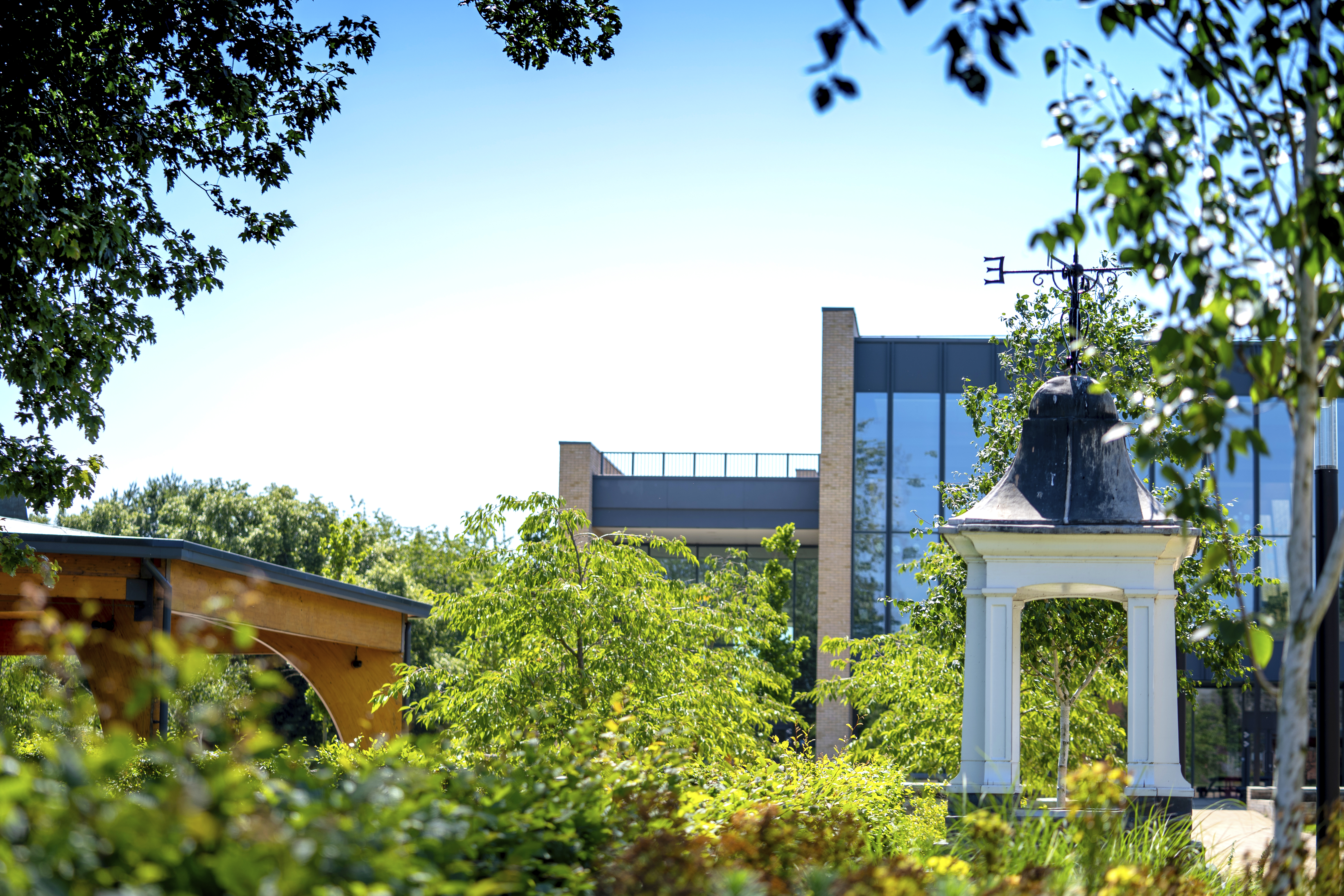
With world-class laboratories, specialist facilities and a close-knit student community, ‘SB’ combines cutting-edge learning with a vibrant setting. Home to our biosciences and veterinary courses, you’ll enjoy a campus full of life –with everything from sports and societies to a farmers’ market right on your doorstep.

Ready to help

Head to our Help and Support hub for frequently asked questions and details of how to get in touch.