
Understanding Excessive Exercise as part of an Eating Disorder
13. Understanding anabolic steroid misuse
Let’s talk about anabolic steroid misuse...
The topic is touched upon in the animation and may be relevant to your professional work. It can be related to excessive exercise as part of an eating disorder, especially if the person is pursuing a muscular body.
So – if you feel this is useful for you - here is some basic information. You can find more in the resources at the end of the tool.
Anabolic steroids are prescription-only medicines that are sometimes taken without medical advice to increase muscle mass and decrease body fat. As exercise professionals, you can play an important role in educating the people you work with about steroid misuse.
We have highlighted in yellow the information you may want to share with individuals, within an open conversation, to deter them from steroid misuse.
We have highlighted in purple why users of steroids, who are trying to stop, may need additional support.
For more resources on steroid misuse see appendix.
Task: Select both buttons below to access information.
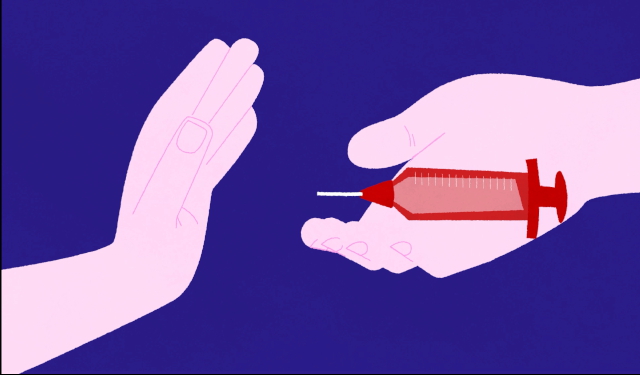
Information you may want to share with individuals, within an open conversation, to deter them from steroid misuse.
- Anabolic steroids have many adverse effects in users (regardless of sex or gender) and their use can lead to serious side effects and addiction.
- Some users may be unaware of the potential dangers. They may also be reluctant to stop when they are made aware, as the benefits may appear to outweigh the risks, or they may feel unable to stop.
- It is not illegal to possess them for personal use, but it is illegal to supply them to friends or for profit. They are banned and tested for in most professional sports.
- Anabolic steroids can be taken by injection into muscle, as tablets, creams, or gels. There are additional risks associated with injection and needle sharing.
- Users are more likely to experience eating disorder symptoms (Ganson et al, 2022a)
- All users have a higher risk of cardiac problems, raised blood pressure, mood swings, paranoia and aggression.