
Understanding Excessive Exercise as part of an Eating Disorder
18. How can you help: Starting a conversation
When trying to start these conversations, you may face some difficulties. It is important to recognise this so that you are not disheartened or discouraged and remain professional.
For some people, exercise can feel like the only thing ’keeping them together’ so to have someone question it may feel scary, frustrating, or even dangerous.
Sometimes people are just not ready to talk or get help. Remembering that your job is to reduce stressors and offer support, you may have to accept that at the time.
If you want to know more about three possible negative reactions and how you may deal with them. Click opposite, (or below if viewing on smaller screen).
Examples are:
- Denial
- Frustration
- Rejection
Task: Select all three buttons below to access information.
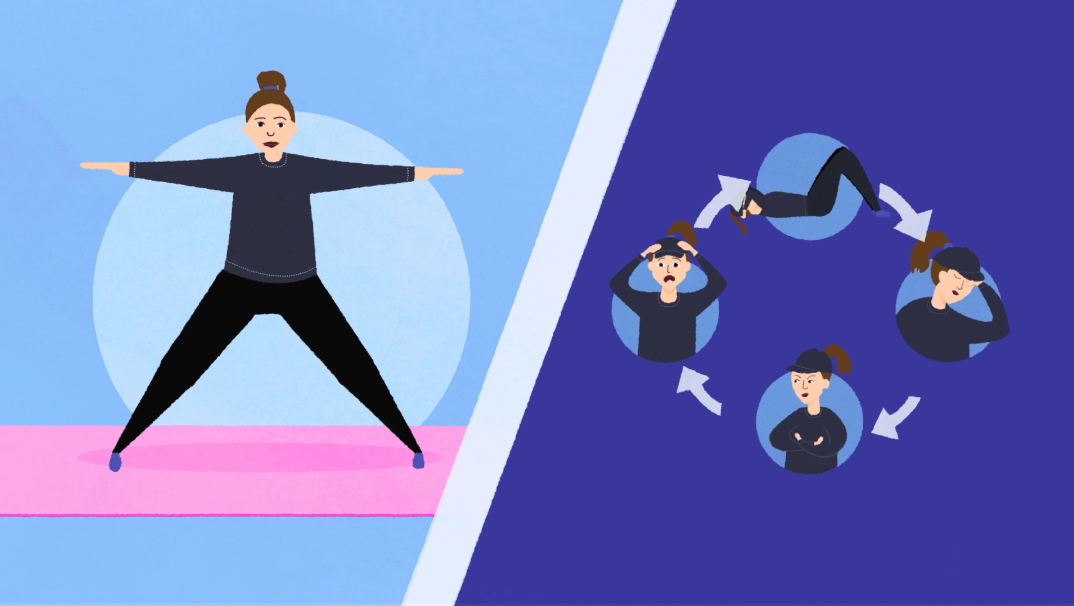
Denial:
It is very common that people going through an eating disorder & excessive exercise will give plenty of reasons why it is healthy for them. Understand that this person may genuinely believe these claims and calling them out (confrontational) is not the way to approach them. If someone denies any problems, it is likely because they don’t feel comfortable coming forward or they don’t realise there is a problem at all. Breaking down these barriers may be done through creating a non-judgemental environment (as described previously) and through education. Try making information about eating disorders available in your gym/sport centre for them to access when they feel ready.