In her latest article, Dr Marianthi Pappa examines the phenomenon of 'coal nostalgia' - an under discussed challenge of the energy transition.
Since the industrial revolution, coal has been a central pillar of Britain’s energy sector. By shutting down its last coal-fired power plant in late 2024, the UK has marked the end of its 142-year relationship with coal. The closure of Ratcliffe-on-Soar power station in Nottinghamshire has been hailed as an example of just energy transition for supporting the workforce in acquiring new skills and jobs. However, it is not equally welcome in the local subconscious, as the residents of this area still reminisce their coal-intensive past with nostalgia and pride.
When interviewed by news reporters, local residents have stated:
‘’It is the end of an era. It will be sad because (…) I have known those towers for 67 years. It is a landmark" [1]
‘’The number of people that come and photograph it, particularly when we get the steam coming off the chimneys and mixing with the clouds and things -there are some stunning sunsets, sunrises, beautiful photos of it (…) It does seem silly to be attached to it but it will be very sad when it goes. We did use to get black spots on the washing when we were hanging it out, and black spots on the car roofs that were acid. It was a concern, but they have spent quite a lot of money I believe and put all that right, so it wasn't a problem. My grandchildren know as soon as they see the towers, that they're near my house." [2]
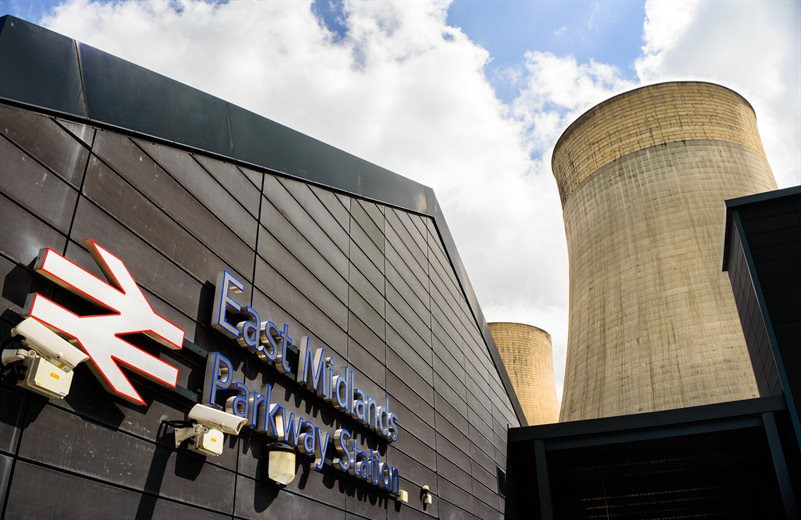
Ratcliffe-on-Soar power station
Others from further afield have commented:
‘’I think quite a few people will be disappointed, because we have art students sketching and photographing quite frequently, the sort of architectural side of things (…) When we’ve been away either going south or north, we can see the power station from quite a way off. Then we are quite pleased because we know we are near home." [3]
Regarding coal, another added:
“Coal is what started Britain on the path to greatness. It is dirty and dangerous to get. But is reliable, has kept us warm since Roman times and three-quarters of it is still there. It levelled up our country in the eighteenth century and can do so again.” [4]
Finally, in a more critical tone, others commented:
"I used to drive by it twice a day in the later 60s -it was magnificent and indicated the UK as a proud, modern, go-ahead nation. Now, its demise once again predicts our country’s standing."
“Meanwhile China builds a new coal-fired power station every week. Net Zero is insane and will be the death of the UK!”
What are the reasons to this behaviour and how can this issue be addressed in climate change policy? Drawing on theories of social and environmental psychology (emotion theory, identity theories, attachment theory), Dr Pappa took an interdisciplinary, psycho-legal approach to examine this paradox.
Dr Marianthi Pappa commented,
The reasons as to why people of coal-intensive communities find it hard to accept a post-carbon reality are not economic, but psychological. It is the emotional connection and the sense of community belonging, the link of coal to people’s identity, the memory of Britain’s luminous past, and the sense of pride for being associated-with and nationally-recognised by this significant landmark. The massive coal plant towers, which were once offering breathtaking views are now turning into ghosts of the past. People are worried that the demolition of these concrete giants will create a void -not just in the landscape, but also in their hearts and minds."
Such negative attitudes challenge the social acceptance of energy transition, and ultimately hinder the government’s attempts to tackle climate change. If people are not willing to accept such a small change, as the closure of a power plant which will not directly affect their lives, how will they be able to make significant lifestyle changes required by energy transition policy, such as switching to electric vehicles or replacing their house gas boilers with heat pumps?
The human and social dimensions of the net-zero transformation add extra layers of complexity to the already challenging technical process of decarbonisation. That is not to say that a nation’s decarbonisation plans should be halted just because they create negative emotions to local communities. However, these emotions should be rationalised, valued, and regulated. Therefore, the study of energy transition from a socio-psychological lens is equally important with the study of this effort from a technical and financial perspective. This in turn stresses the significance of interdisciplinary and place-based research in academic scholarship, and the need for a greater engagement of energy system governance with society.
Closing the UK’s last coal power plant was a big chapter in the nation’s history. But this is not only a significant milestone in the UK’s pathway to a post-carbon future; it is also an opportunity to reflect on people’s emotions, perceptions, and attitudes. Regulation and policy must evolve to meet the demands of the modern energy landscape, ensuring that all involved interests are calculated and balanced.
Governments and local authorities carry the heavy duty of taking rapid actions which will protect the environment. But above all, they should put people at the front. Taking a series of anthropocentric actions, such as directing people to alter the way they perceive decarbonisation, building inclusive energy systems, and fostering energy citizenship within society, can create the prospect of reaching a transformative and truly just energy transition. It is only then that people will feel ready to say goodbye to fossils and embrace green energy.
Based on Dr Marianthi Pappa’s latest article ‘’Turning UK’s Coal Nostalgia into Green Pride: A Psycho-law-gical Approach to Energy Transition’’ which was published at the Global Energy Law & Sustainability Journal Volume 6(1) in November 2025.
The study examines the phenomenon of coal nostalgia -an underdiscussed challenge of energy transition- and the need to revisit the ethics of UK’s decarbonisation plans.
Contact Marianthi Pappa to find out more.
Further reading and references
1. Nottinghamshire Live, ‘Ratcliffe-on-Soar residents on ‘’end of an era’’ as power station cooling towers set to be blown down’ https://www.nottinghampost.com/news/local-news/ratcliffe-soar-residents-end-era-7428261 accessed 10 March 2025
2. BBC, ‘Ratcliffe-on-Soar: Neighbours Bid Farewell to Landmark Power Station’ https://www.bbc.co.uk/news/articles/c79w93v9z4yo accessed 10 March 2025
3. BBC, ‘As it Happened: UK’s Last Coal-Fired Power Station Set to Close’ https://www.bbc.co.uk/news/live/cq5e4n5z888t accessed 10 March 2025
4. The Telegraph, ‘Why Britain’s Last Coal Power Station is Closing its Doors’ https://www.telegraph.co.uk/news/2024/09/09/death-of-coal-ratcliffe-on-soar-power-station/ accessed 10 March 2025