The Centre for Food Policy and Foresight (CFPF) Internship Programme funds University of Nottingham students to work with research teams across two 3-month blocks to produce a policy outputs on research that is shaping our food system.
Supporting researchers to translate peer-reviewed findings for policy makers, the interns produce policy briefs, slide decks and support the design of programmes that promote food justice, sustainability, and nutritious and healthy food systems
As part of the internship, the Interns receive training from policy, industry and academic leaders in the field to support their internship journey. Working alongside their research team, and supported by the CFPF Policy Translation Lead, Dr Ursula Davis, our CFPF Interns develop new insights, skills and career outlooks.
Student responses to food challenges: internship outputs

Inclusive Food Access
Access to food is a basic human right, yet people with disabilities (PWD) face significant and persistent barriers in obtaining a sufficient and nutritious diet.
View policy brief (pdf)

Addressing Challenges in UK Food Banks
Food banks in the UK have expanded rapidly since 2008 due to austerity policies, welfare cuts, and rising food insecurity, with 2,000 outlets nationwide. However, significant problems persist.
View policy brief (pdf)

Food Labour Justice
Improving the wages, working conditions and well-being of agricultural workers enhances rural communities. Educated consumers have the power to drive demand for ethically produced food, motivating businesses to adopt just labour practices and contribute to a fairer food system.
View policy brief (pdf)
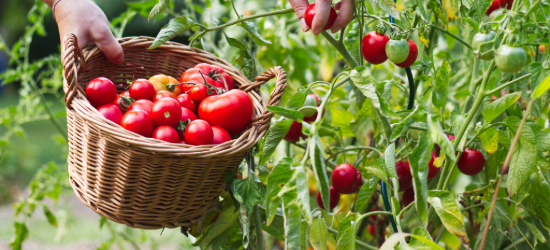
Local Food Security
Targeted, coordinated, and locally informed interventions are required to promote sustainable food resilience across communities in Nottinghamshire.
View policy brief (pdf)
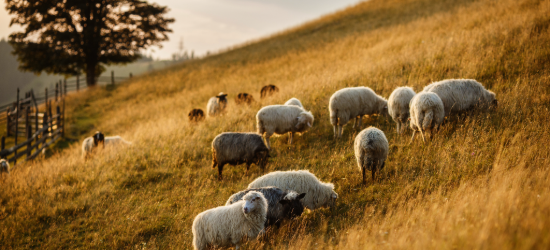
Livestock Vaccine Communication
This research addresses the challenge of vaccine hesitancy by identifying practical, evidence-based strategies to improve outreach. Drawing from lessons learned during the COVID-19 response, it highlights the value of trust, empathy, and clear, locally rooted communication.
View policy brief (pdf)
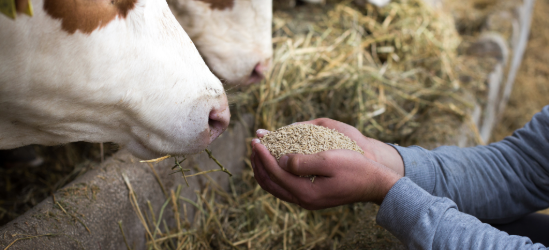
Sustainable Dairy Futures
The dairy industry is highly carbon intensive. This policy brief seeks to understand the optimal outcomes for the dairy industry to minimise carbon emissions and contribute towards meeting the UK Government’s 2050 net zero goals.
View policy brief (pdf)
Educating Young People on Debunking Food
Food literacy education underpins efforts to improve personal health while advancing a sustainable food system. Food policy must now focus on ‘food literacy’ transitioning as we look to "debunk" food.
View policy brief (pdf)

Improving Dietary Health
Globally 3.5 billion people are at risk of calcium deficiency, due to inadequate dietary supply, associated with the risk of preeclampsia, rickets and osteoporosis.
View policy brief (pdf)